

Grants for New Windows
New uPVC window frames are a big investment, so it makes sense to check whether there are grants for new windows before you sign anything. Governments at national, regional or local level regularly run schemes that help homeowners pay for energy-saving improvements, and better windows and glazing are often included. Some schemes are also open to landlords or owners' associations. The rules change often, so check what's available where you live first. Below, the team at Fixmycrib explains how these schemes usually work and what to watch out for.
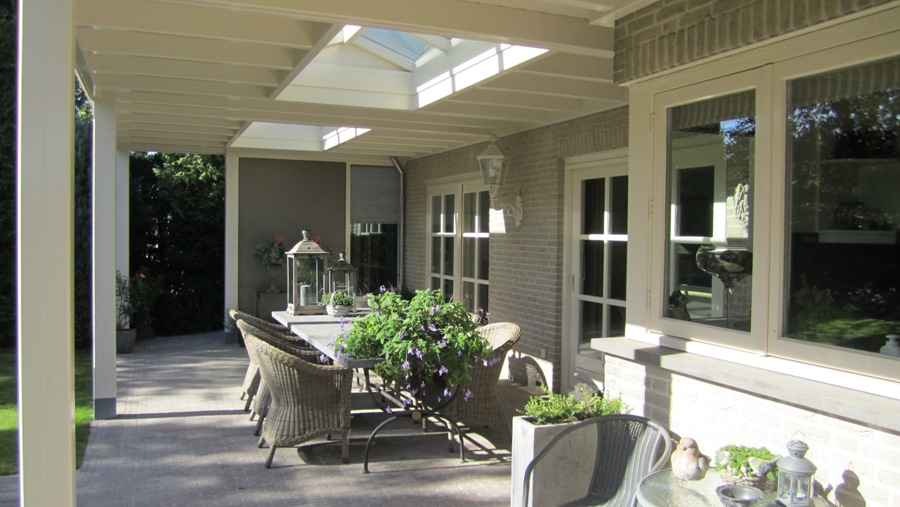
What are the options for window grants?
How much you can get depends on the scheme, your type of home and the work you do. Some schemes only pay out if new windows are combined with other insulation work; others pay a fixed amount per square metre of glazing or a percentage of the cost. Read the conditions closely: they often specify a minimum insulation value for the glass and frame.
Temporary boosts to grant amounts
Governments sometimes increase grant amounts for a limited time, for example as part of a climate programme. Keep an eye on announcements from your national and local government.
The most common pitfall: many schemes require you to apply before the work starts, and some require a registered or certified installer. If you sign a contract or let the work begin too early, you can lose your right to the grant. There are often deadlines for when the work must be finished and paid for, too.
Your national or local government's website is the best place to find out which grants, incentives and low-interest loans apply to you.
Grants or low-interest loans?
If a grant isn't available or doesn't cover enough, some countries offer low-interest energy-saving loans, sometimes for both individual homeowners and owners' associations. An independent energy advisor can tell you which option suits your situation.

Window grants and energy-saving measures
Grants for windows and other energy-saving work often go together. Some schemes require more than one measure, so it can pay to insulate your roof, walls, cavity walls or floor at the same time; see our guide to home insulation. Doing several jobs together also saves on scaffolding and disruption. Some schemes even give a bonus for a package of improvements.
How much support can you get?
Amounts vary widely between countries and schemes, so check the current figures with your government or an independent energy advisor rather than relying on figures you find online, which are often out of date.
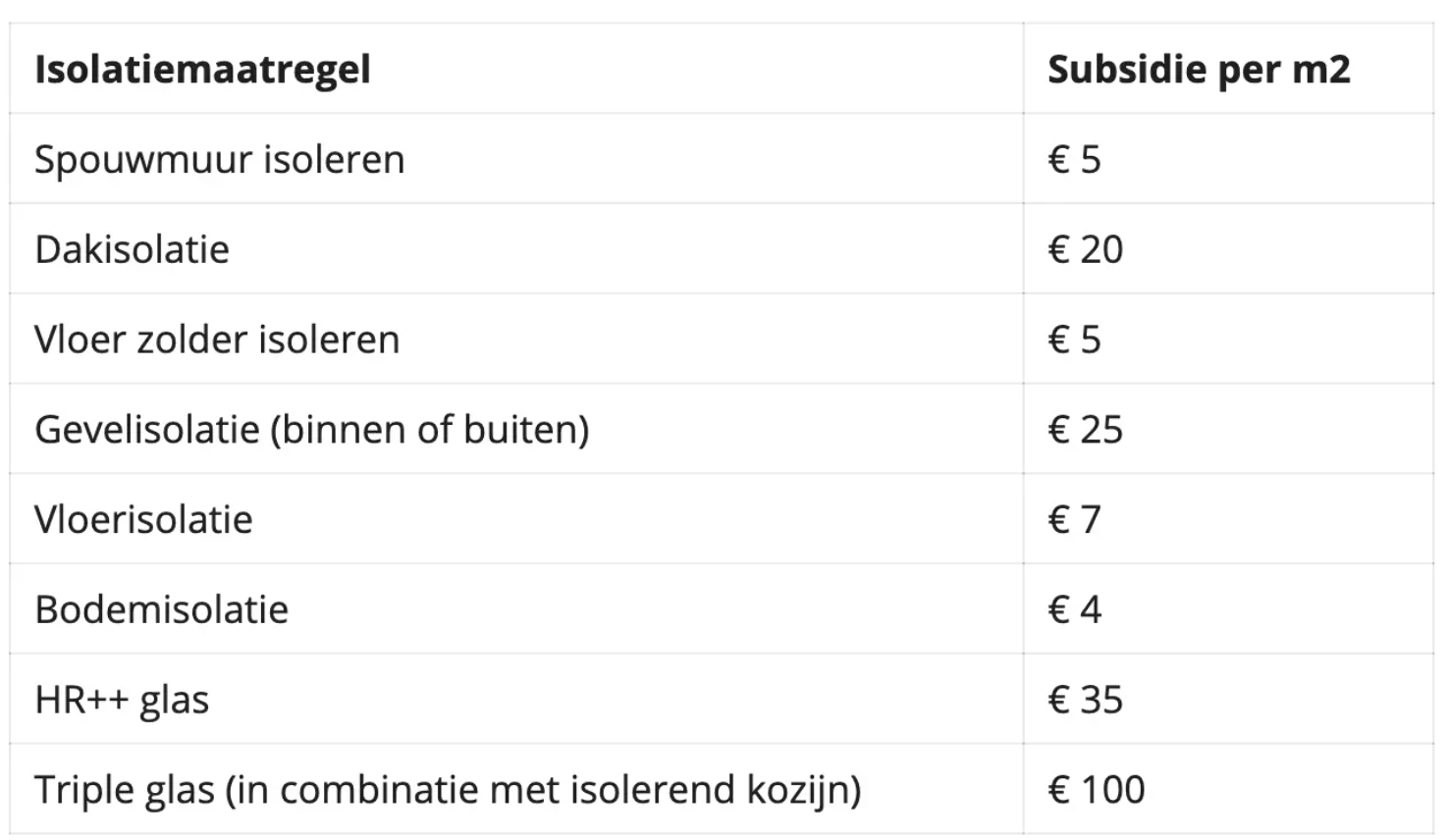
How to apply for a grant for new windows
How to apply: check your government's website for schemes that apply to you. The process varies, but it usually looks like this:
- Check the eligibility conditions and whether you need to apply before the work starts.
- Request quotes from qualified installers; many schemes require a registered or certified company.
- Fill in the application form, using the measurements and specifications from your installer's quote or invoice.
- Attach the required documents, such as quotes, invoices and photos.
- Check your application, read the declarations carefully and submit it.
- You'll usually receive a confirmation, and later a decision on your application.
- Check that the products you choose (frames, doors, glazing) meet the scheme's minimum insulation values. Ask the installer for the specification in writing.
- Need help with the application? An independent energy advisor, or an installer who handles these schemes regularly, can often guide you through it. Keep copies of everything you submit.
Request window frame quotes
More interesting articles about uPVC window frames

Interior Inspiration: 5 Tips After Your Renovation or Move
Get up to 4 free quotes from vetted local prosPost your job for free. No obligation to hire.Post a jobRequest a quote
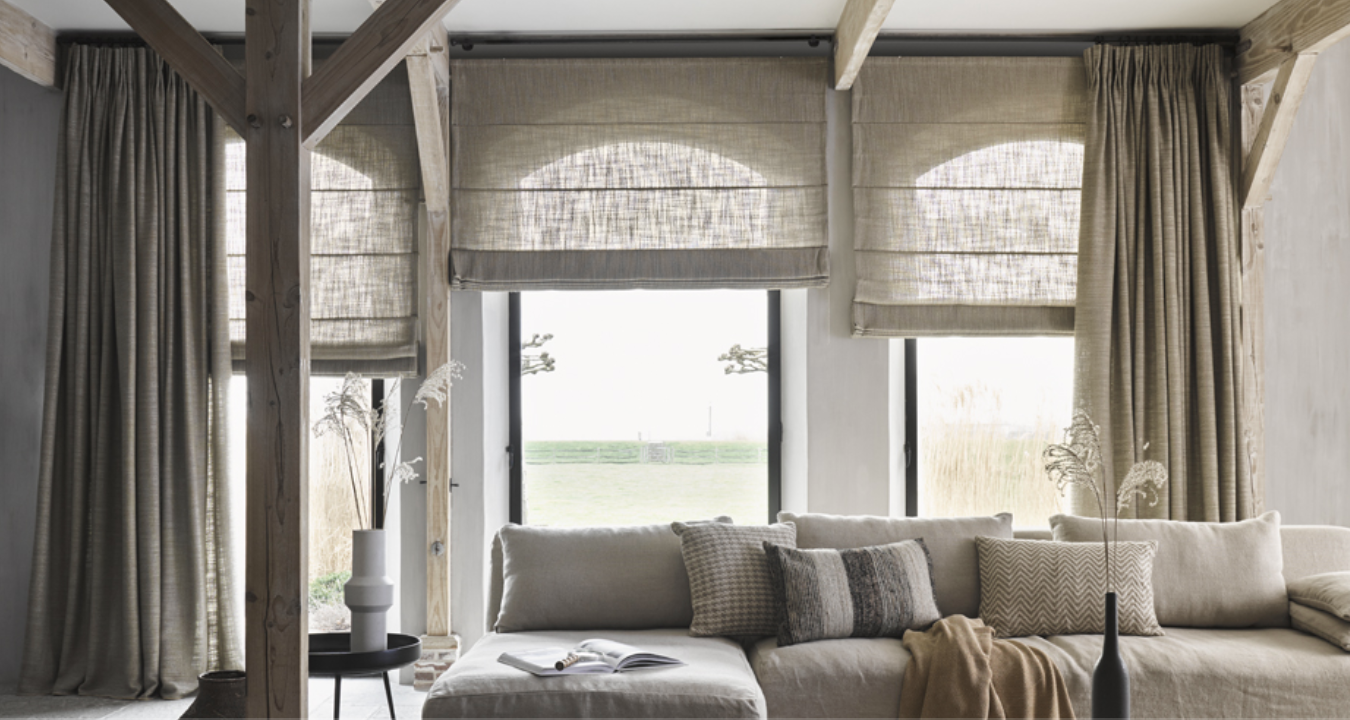
Window Covering Ideas: 8 Handy Tips
Window coverings finish a room, but with so many options it's easy to get stuck. Below are practical window covering ideas, from curtains and blinds to shutters, plus what each type is good at, so you can pick what suits your rooms and the way you live. They do two jobs. Practically, thick curtains help [...]

10 Tips for a Warm Home This Winter
If you're wondering how to keep your house warm in winter without the heating running flat out, small changes add up. Heating is usually the biggest part of a household's energy use, so the tips below help with comfort and with your bill. Some cost nothing; others are bigger jobs worth planning before the cold [...]
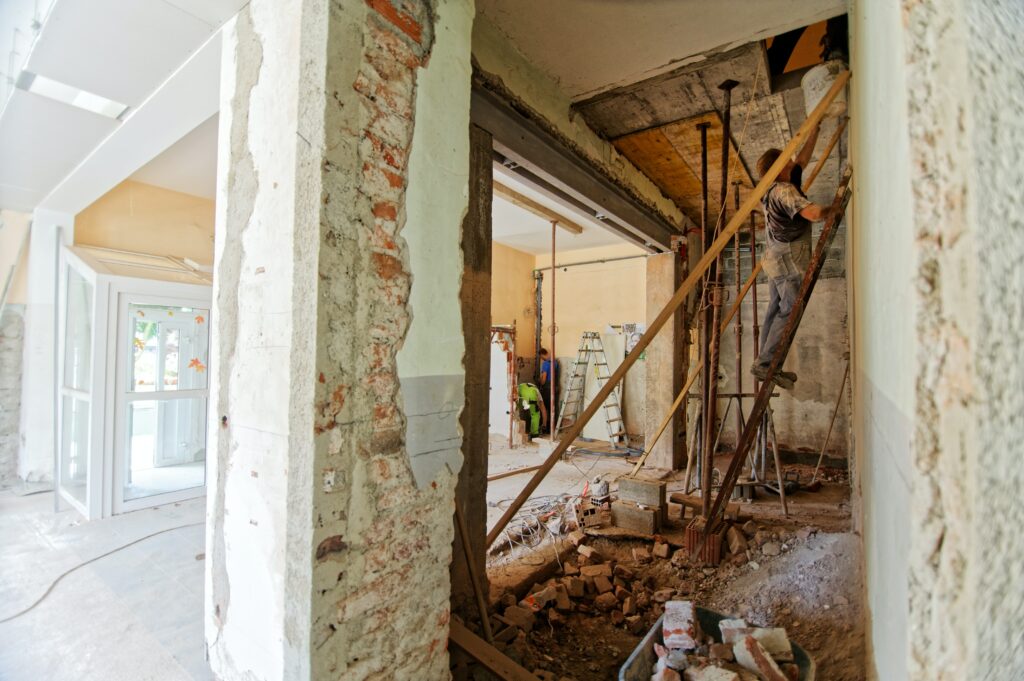
Moving or Renovating: The Pros and Cons
Your family is growing, you're working from home more, or the house simply no longer fits. At that point most people face the same question: move or renovate? Is a loft conversion or extension the smarter investment, or is it better to sell and buy somewhere that already suits you? There's no single right answer, [...]

How Can I Prepare My Roof for Winter?
Autumn is the best time to prepare your roof for winter. The weather is usually still dry enough to spot problems and get them fixed before storms, heavy rain and frost arrive. Think of it as an annual check-up: a cracked tile or blocked gutter is cheap to sort out now, while a winter leak [...]
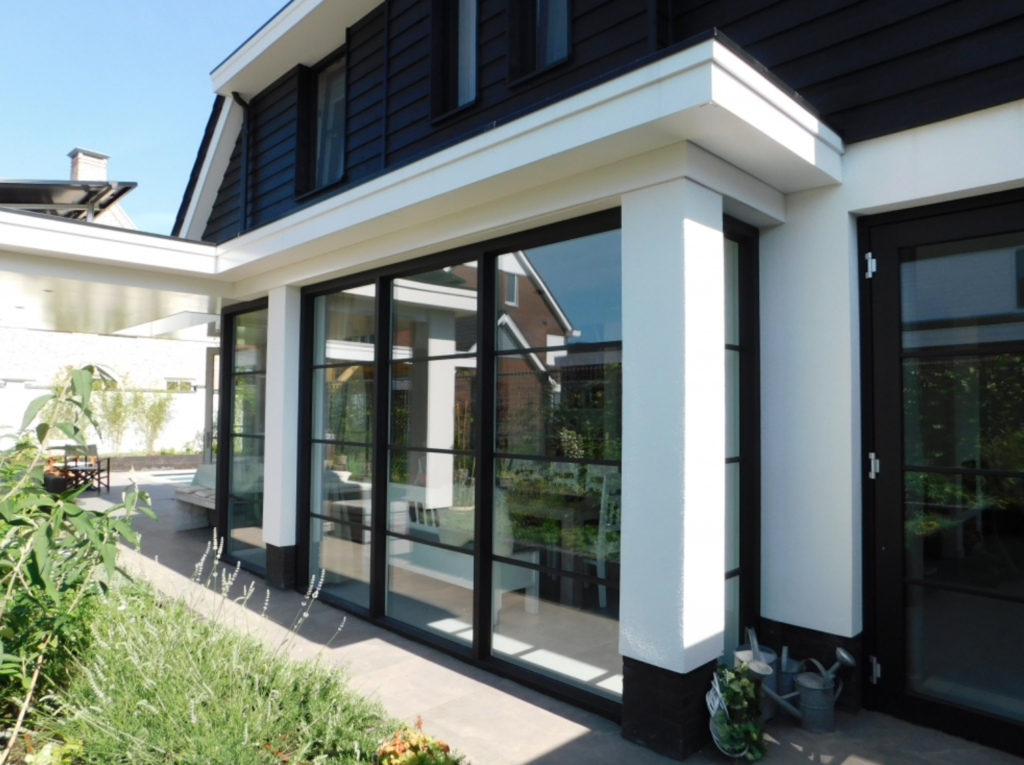
Can You Drill Into uPVC Window Frames?
Drilling into uPVC window frames is possible, and lots of people do it to hang blinds or a fly screen. But there are a few things to know first: once a hole is made it's permanent, and there's steel inside most frames. Here's what to watch out for, and the no-drill options that are often […]
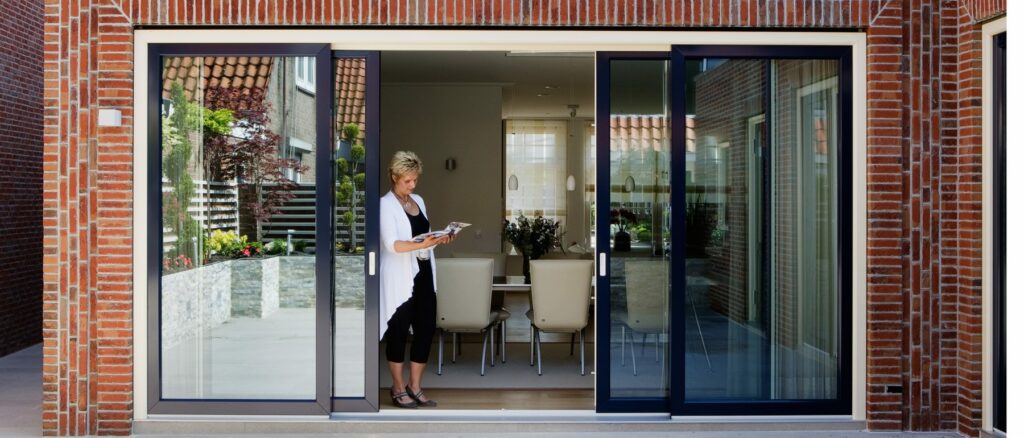
What Are the Benefits of a uPVC Sliding Door?
uPVC sliding doors are now almost as common as uPVC window frames, and it's easy to see why. A uPVC sliding door needs little upkeep, insulates well and can be made to fit almost any opening. Here's what to know before you buy one, including what to check when choosing an installer. What is a [...]
Getting Your Home Ready for Autumn: 7 Handy Tips
Autumn is the right time to prepare your home for the colder months. Leaves start falling, so garden maintenance and clear gutters matter more, and damp patches often show up on walls as the weather turns wet. A few jobs now save you trouble (and money) in winter. Here are seven practical tips to prepare [...]

Financing uPVC Window Frames
If you're planning a renovation or need to replace your window frames, paying for a whole house of new frames in one go is a big outlay. Financing new windows spreads the cost, but the type of loan you pick makes a real difference to what you pay in the end. Here's how the common [...]

Building a Veranda onto Your House: 9 Advantages
A veranda attached to your house lets you sit outside long after the sun goes down, and on drizzly days too. It's a long-term addition, so it's worth weighing up the pros and cons before you commit. Below we cover the main types and materials, the advantages and disadvantages, what drives the cost, and what […]
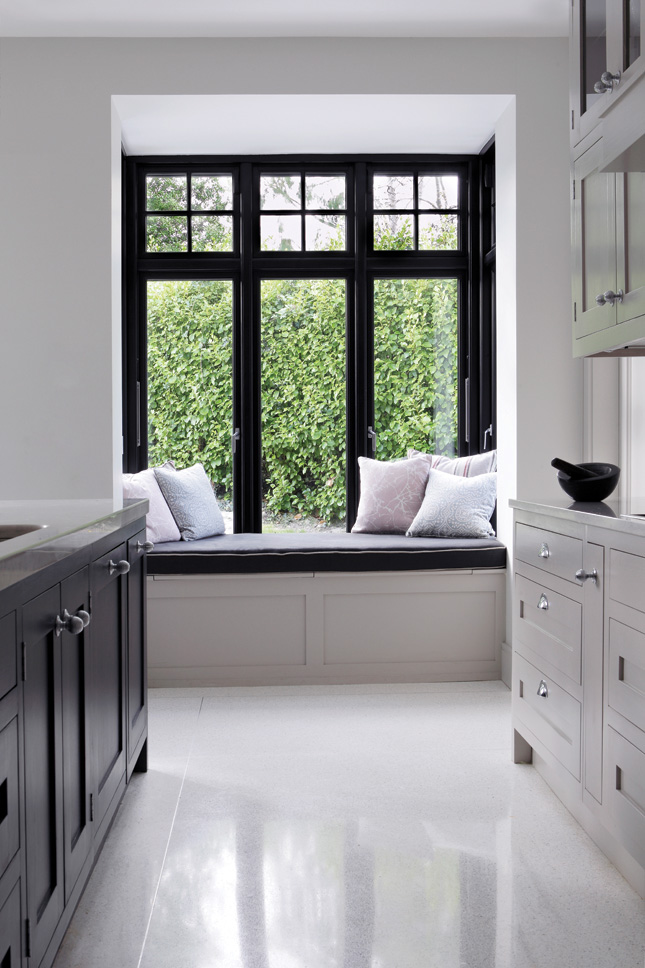
uPVC Window Parts
What are the parts of a uPVC window? A uPVC window isn't one solid piece. It's built from several uPVC window parts: profiles, glass, hinges and locks, gaskets, handles and the fixings that hold it in the wall. Knowing what each part does helps you compare quotes, spot problems early and decide whether a fault [...]
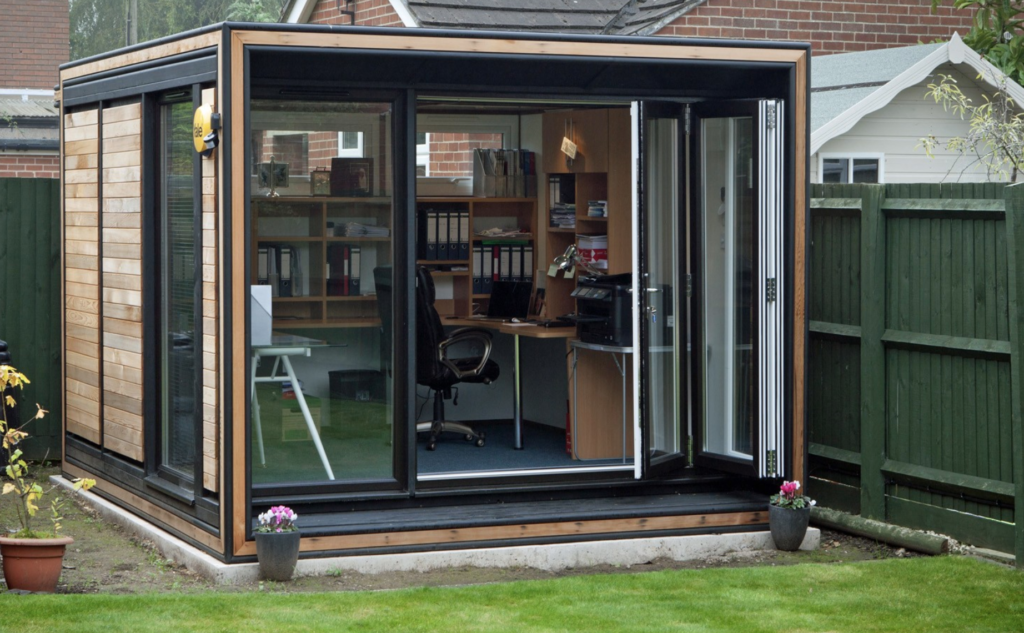
Turning a Garden Office into Your Home Office: 6 Handy Tips
A garden office gives you a proper place to work without giving up a room in the house. It's quieter than the kitchen table, and at the end of the day you can literally close the door on work. It's still a building, though, so it pays to think about layout, insulation, ventilation and planning [...]
How Long Do uPVC Window Frames Last?
How long do uPVC windows last? With decent installation and a little care, uPVC window frames typically last several decades, and many go on well beyond that. They're popular in new builds mainly because they need so little maintenance. If you're deciding whether to replace old timber frames, it helps to compare lifespan and upkeep [...]
Window Renovation: What Should I Look Out For?
Window renovation can mean two things: replacing the whole frame, or keeping the frame and upgrading the glass and seals. Either way it's not a small job, and it isn't cheap, but good windows make your home warmer, quieter and cheaper to heat. Below we explain when it's time to act, the options for renovating [...]
Types of uPVC Window Frames
There are more types of uPVC windows than most people realise, and the opening style affects ventilation, security, cleaning and price. Here are the most common types, followed by tips on glass, finishes and corner joints so you know what to ask for in a quote. Fixed windows A fixed window doesn't open. It's the [...]
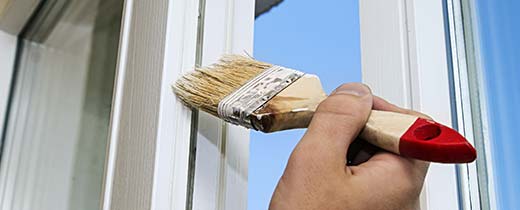
Can You Paint uPVC Window Frames?
Can you paint uPVC windows? Yes, you can, as long as the frames are properly cleaned, sanded and primed. Many people choose uPVC precisely because it doesn't need painting, but a new colour can refresh a home or fix frames you've never liked. Here's how it's done, what to watch out for and when it's [...]

Requesting a Hybrid Heat Pump Quote: Are They Becoming Mandatory?
What are governments deciding? A growing number of governments want homes to move away from gas and oil heating, and a hybrid heat pump is often the first step. In some places, rules are coming that mean when your old boiler needs replacing, you'll be expected to choose a more sustainable alternative. That could be […]
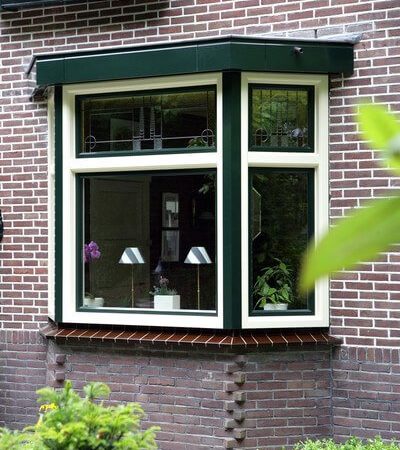
Wood-Effect uPVC Window Frames
Wood effect uPVC windows give you the look of grained timber with the low maintenance and insulation of uPVC window frames. Plain smooth uPVC can look flat on an older or characterful house. A wood-grain foil adds texture and colour, and from a normal viewing distance it can look very close to the real thing. [...]

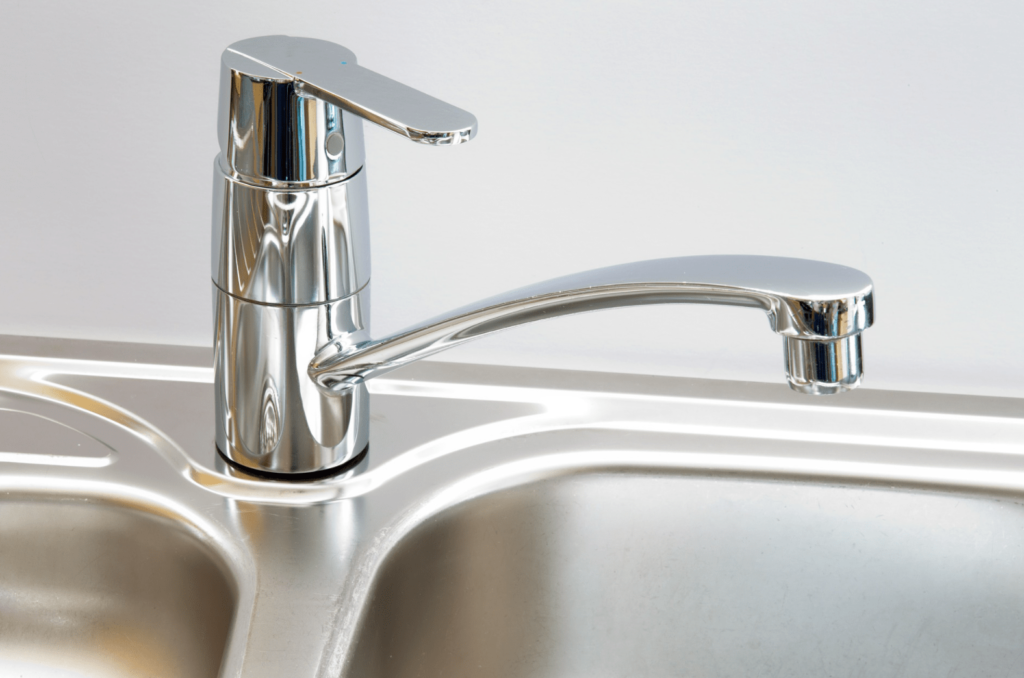
Descaling Water Pipes: How Does It Work?
Hard water slowly furs up your pipes, boiler and appliances with limescale. If you want to descale water pipes in your home, the usual approach is to stop new scale forming with a water softener and let softened water gradually loosen what's already there. Through Fixmycrib you can request free quotes from local water softener [...]

How to Get More Jobs as a Tradesperson
If you're wondering how to get more jobs as a tradesman or small building firm, you're not alone. Work tends to come in waves, and quiet spells hit self-employed tradespeople hardest. The good news is that a few steady habits, such as showing your work online, collecting reviews and keeping in touch with past customers, […]

How Can I Make My Home More Sustainable? 10 Tips
Wondering how to make your home more sustainable without turning your life upside down? Start with the free habits, then work up to the bigger investments like insulation and solar panels. These 10 tips work for older homes as well as new ones, and most of them cut your energy bills too. For a broader [...]
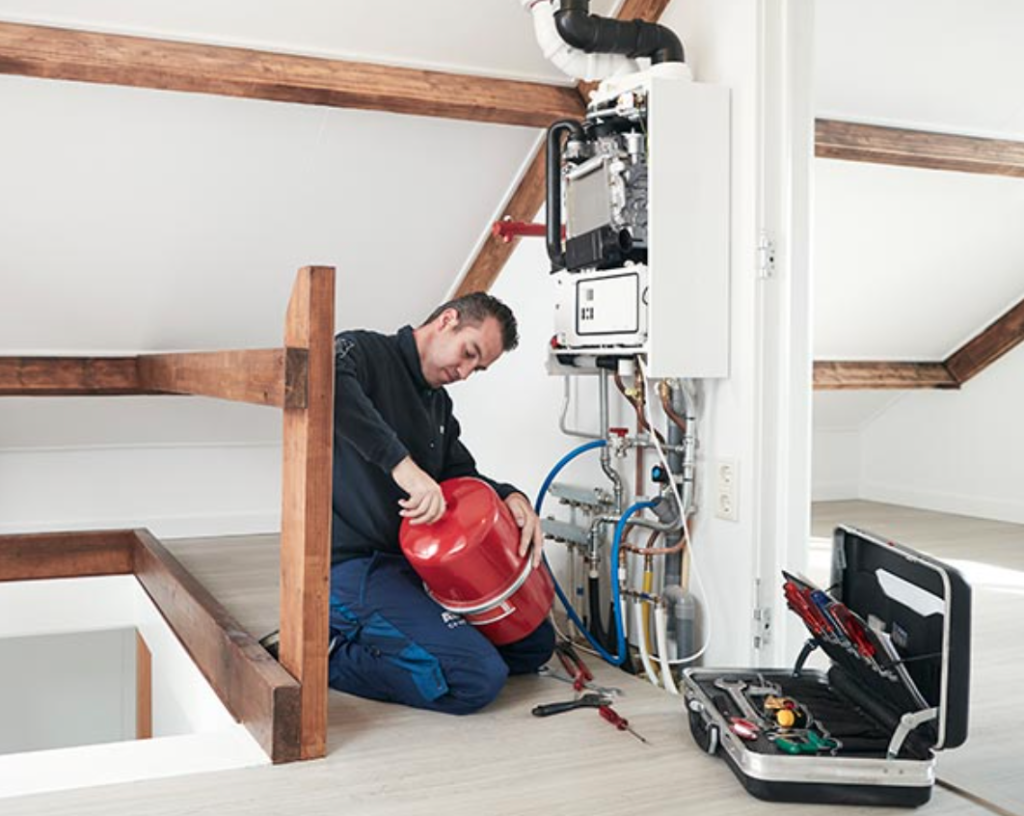
Replacing Your Boiler in Summer Is a Smart Choice
Summer is the easiest time to replace a boiler. You barely need the heating, installers are less busy, and if the job takes a day or two longer than planned, nobody's sitting in a cold house. A modern condensing boiler is also more efficient than an old one, so you'll usually use less gas. Here's […]
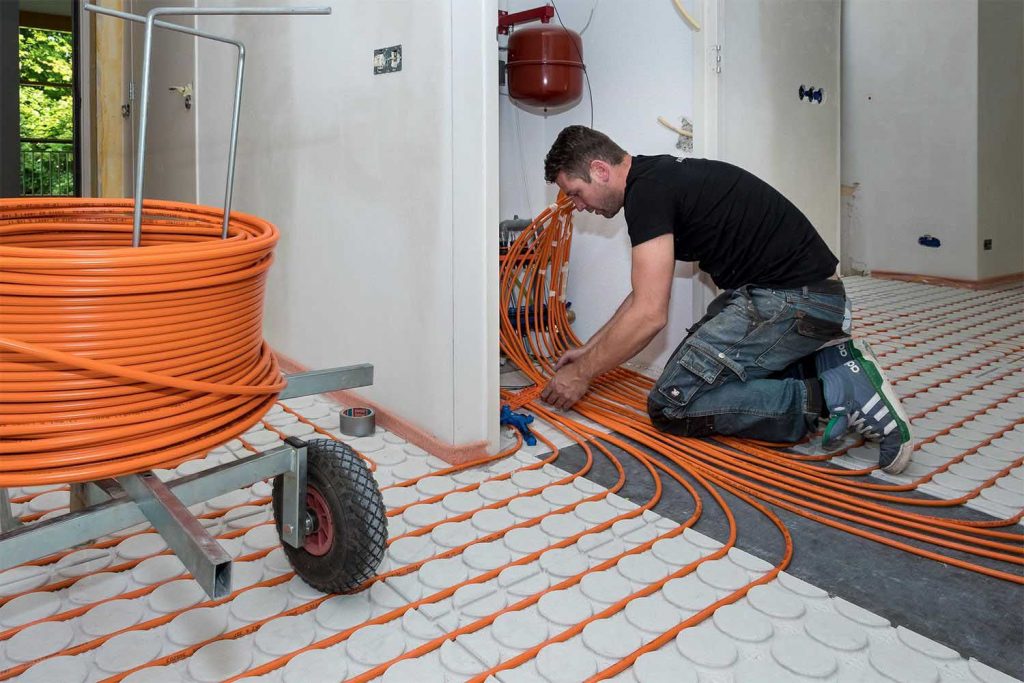
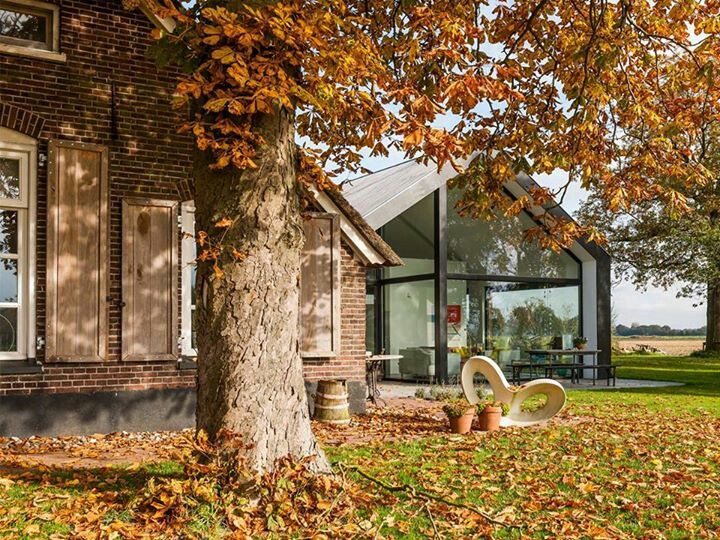

Soft Water: What Are the Benefits?
The benefits of soft water show up all over the house: less limescale on taps and showers, appliances that last longer, and softer-feeling laundry. A water softener removes the minerals that make water hard. Below we explain how to check your water hardness, what soft water does for you, the few drawbacks to know about [...]
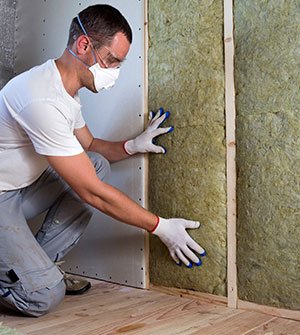

A Concrete Floor in Your Home
A concrete floor in your house gives a clean, modern look that works in almost any room. It's hard-wearing, easy to clean and pairs well with underfloor heating. It also has a few drawbacks worth knowing about before you commit. Below we cover styling ideas, the pros and cons, what affects the cost and what [...]


Making Your Home More Sustainable Is Increasingly Popular
More and more homeowners are looking for ways to make their home more sustainable, and not only for the planet. Better insulation, efficient heating and solar panels make a home more comfortable and cheaper to run, and higher energy prices have made the savings easier to see. If you want to make your home more [...]