

Wondering how to save energy at home without spending a fortune? Start with the free changes: heating habits, standby power and how you cook. Then look at the bigger investments, such as insulation or solar panels, which cost money upfront but bring your bills down for years. Here are practical tips you can start on today.
Do you have energy guzzlers at home?
Energy prices have gone up and down a lot in recent years. Whatever you pay per unit, every appliance costs more to run when prices rise, so it's worth knowing where your energy goes.
A plug-in energy monitor is a cheap way to find out which appliances use the most. Old fridges and freezers, tumble dryers, electric heaters and anything left on standby are common culprits.
To protect yourself against rising prices in the longer term, buying solar panels can help bring your costs down.
Efficient heating starts with insulation
Save energy by heating smartly
Heating is usually the biggest part of the energy bill, so small changes here make the most difference. Turn the thermostat down a degree, heat only the rooms you use, and lower the temperature at night and when you're out. A programmable or smart thermostat makes this automatic.
Insulation almost always pays off, especially in an older home. Start with draught-proofing doors and windows, which is cheap and quick, then look at roof, wall and floor insulation. Bleed your radiators and have your boiler serviced so the system runs efficiently.
Underfloor heating and low-temperature heating
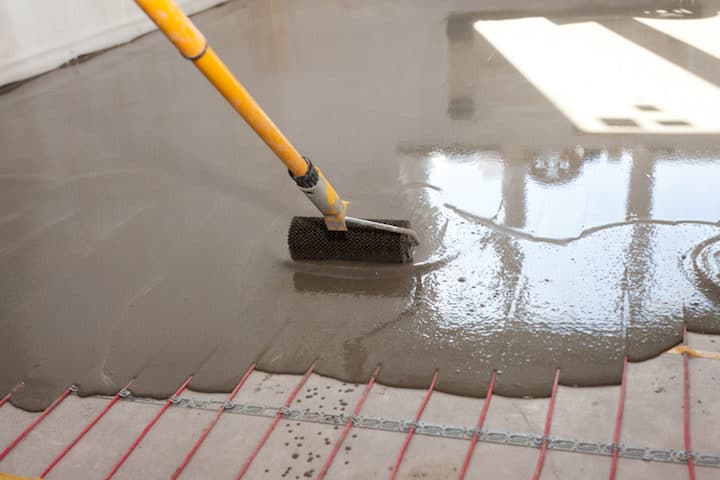
If you're renovating, consider low-temperature heating such as underfloor heating. It spreads heat evenly over the whole floor, so a room feels comfortable at a lower air temperature, and it works very well with a heat pump. In an existing home it can often be laid on top of the floor as an overlay system, using insulation boards with spreader plates. That raises the floor slightly, so check doors and thresholds first. Ask an installer whether your home is suitable.
Standby power
Many devices keep using power on standby, or even when they seem to be switched off. Common examples:
A few examples
• Small under-sink water heaters that keep water hot all day.
• Set-top boxes and TV recorders.
• Boiling-water taps with a poorly insulated tank.
• Games consoles, sound bars and older DVD players.
• Chargers left plugged in.
Switch these off at the wall or use a power strip with a switch. For computers, a laptop uses much less electricity than a desktop, and a tablet even less.
With televisions, how long you watch makes a big difference, and so does screen size: the bigger the screen, the more power it uses. Check the energy label when buying a new one.
How can I save energy in the kitchen?
• Match the pan to the size of the ring or burner.
• Put a lid on the pan, so it heats up faster and uses less energy.
• Reheat food in the microwave rather than the oven or hob.
• A combination microwave with a convection setting uses less energy than a full-size oven for small dishes.
Oven and kettle tips
Oven
• Keep the oven door closed while cooking.
• Take out baking trays you don't need, as they block the airflow.
• Cook several dishes at once when the oven is on anyway.
Kettle
• Only boil the water you need.
• Descale the kettle regularly, as limescale makes it less efficient.
Check the energy label when buying a home
Planning to buy a home? Check the energy rating or certificate. It shows how energy-efficient the property is and often lists improvements you could make. Factor the cost of those improvements into your offer, and get quotes from specialists before you commit. An energy-efficient home is cheaper to run and can be more attractive to future buyers.
Get up to 4 free quotes from vetted local pros
Post your job for free. No obligation to hire.