

What are the parts of a uPVC window?
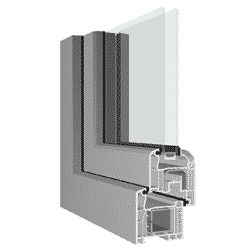
A uPVC window isn't one solid piece. It's built from several uPVC window parts: profiles, glass, hinges and locks, gaskets, handles and the fixings that hold it in the wall. Knowing what each part does helps you compare quotes, spot problems early and decide whether a fault is a quick fix or a job for an installer.
Measuring up, removing the old frame and fitting the new one are normally done by the installer, so you don't need to do it yourself. Below we go through the most common parts.
Which uPVC window parts are there?
Profiles
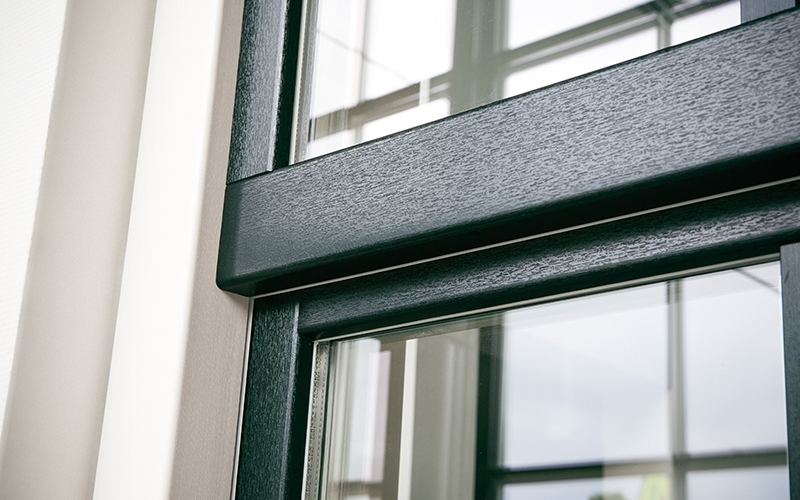
Every uPVC window frame is made from profiles: the outer frame and the sash that opens. The profile is the main part, and it comes in many colours and finishes, including convincing wood-effect foils. Trims such as corner profiles, cover strips and a window sill finish it off. When comparing quotes, ask about the profile's thickness and number of chambers, as these affect insulation and stiffness.
Glass
The glazing is a window part too. Most new frames come with high-efficiency double glazing as standard. Ask about triple glazing, acoustic glass or safety glass if you need it, for example in doors or low windows.
Hinges and locks
Which hinges and locks you need depends on the type of window. A tilt and turn window has a handle you turn up to tilt the window and sideways to open it fully. For better security, choose a lockable handle and multi-point locking. A turn window can also have a restrictor, so it stays open in the position you choose.
Installation materials
Frame screws, fixing anchors and packers hold the frame in the wall. They're hidden once the window is in, but correct fixing and sealing around the frame matter as much as the frame itself for keeping out draughts and damp.
uPVC window gaskets against draughts
Gaskets (also called glazing seals) keep out draughts and water. Over time they lose their elasticity, go brittle and can crack. If you feel a draught around a closed window, worn gaskets are a likely cause. Before assuming the whole frame needs replacing, ask an installer whether new gaskets will do: it's a much cheaper and quicker fix.
My uPVC window doesn't close properly
A window that won't close doesn't always mean broken parts. A common problem with tilt and turn windows is that the sash ends up in the tilt and turn position at the same time, so it hangs from one corner. You can usually fix this yourself:
1. Find the small button or catch on the locking mechanism, level with the handle.
2. Hold it in while turning the handle to the tilt position (usually upwards).
3. With your other hand, push the window back into the frame on the hinge side.
4. Turn the handle back to horizontal and release the button.
5. Close the window.
If the mechanism is just stiff, a little lock oil or silicone spray on the moving parts often helps. If that doesn't work, contact the supplier: check what the warranty covers before paying for a repair.
uPVC window repair kit
If you're reasonably handy, you can handle small jobs yourself: a small crack, dent or scratch, a bit of loose foil, a single blister or a stiff mechanism. These spot repairs can be done with a uPVC repair kit from most DIY stores. Work in dry weather and clean the area well first.
Restoring a uPVC window frame
If several parts are damaged, or the damage is extensive, a repair kit won't be enough. Foil coming loose or blistering in several places usually means the foil needs replacing, which is a job for a specialist. Your supplier or a frame restorer can advise whether restoring or replacing makes more sense.
Want to know what new uPVC window parts or a new frame will cost? Prices vary by size, glazing and finish, so request free, no-obligation quotes from several installers and compare what's included.
Request uPVC window frame quotes:
Interesting articles about uPVC window frames:

Interior Inspiration: 5 Tips After Your Renovation or Move
Get up to 4 free quotes from vetted local prosPost your job for free. No obligation to hire.Post a jobRequest a quote

Window Covering Ideas: 8 Handy Tips
Window coverings finish a room, but with so many options it's easy to get stuck. Below are practical window covering ideas, from curtains and blinds to shutters, plus what each type is good at, so you can pick what suits your rooms and the way you live. They do two jobs. Practically, thick curtains help [...]

10 Tips for a Warm Home This Winter
If you're wondering how to keep your house warm in winter without the heating running flat out, small changes add up. Heating is usually the biggest part of a household's energy use, so the tips below help with comfort and with your bill. Some cost nothing; others are bigger jobs worth planning before the cold [...]
Moving or Renovating: The Pros and Cons
Your family is growing, you're working from home more, or the house simply no longer fits. At that point most people face the same question: move or renovate? Is a loft conversion or extension the smarter investment, or is it better to sell and buy somewhere that already suits you? There's no single right answer, [...]

How Can I Prepare My Roof for Winter?
Autumn is the best time to prepare your roof for winter. The weather is usually still dry enough to spot problems and get them fixed before storms, heavy rain and frost arrive. Think of it as an annual check-up: a cracked tile or blocked gutter is cheap to sort out now, while a winter leak [...]
Can You Drill Into uPVC Window Frames?
Drilling into uPVC window frames is possible, and lots of people do it to hang blinds or a fly screen. But there are a few things to know first: once a hole is made it's permanent, and there's steel inside most frames. Here's what to watch out for, and the no-drill options that are often […]
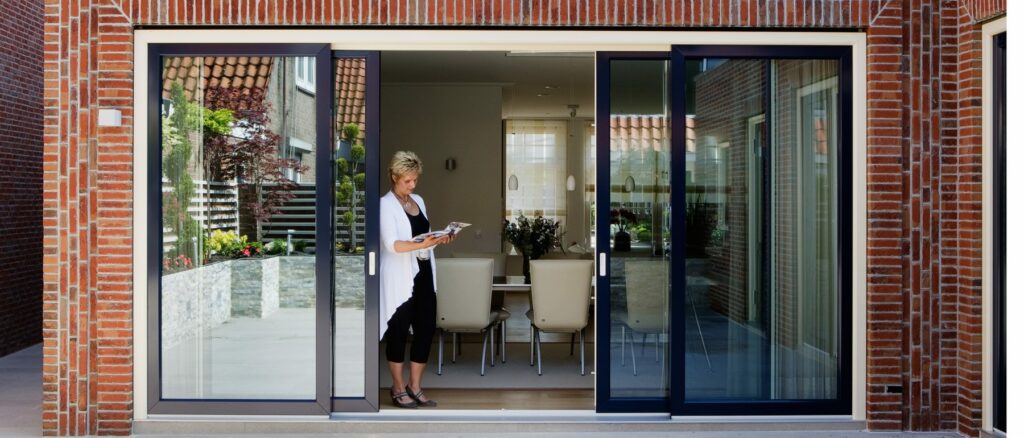
What Are the Benefits of a uPVC Sliding Door?
uPVC sliding doors are now almost as common as uPVC window frames, and it's easy to see why. A uPVC sliding door needs little upkeep, insulates well and can be made to fit almost any opening. Here's what to know before you buy one, including what to check when choosing an installer. What is a [...]
Grants and Incentives for New Windows
Grants for New Windows New uPVC window frames are a big investment, so it makes sense to check whether there are grants for new windows before you sign anything. Governments at national, regional or local level regularly run schemes that help homeowners pay for energy-saving improvements, and better windows and glazing are often included. Some [...]

Getting Your Home Ready for Autumn: 7 Handy Tips
Autumn is the right time to prepare your home for the colder months. Leaves start falling, so garden maintenance and clear gutters matter more, and damp patches often show up on walls as the weather turns wet. A few jobs now save you trouble (and money) in winter. Here are seven practical tips to prepare [...]

Financing uPVC Window Frames
If you're planning a renovation or need to replace your window frames, paying for a whole house of new frames in one go is a big outlay. Financing new windows spreads the cost, but the type of loan you pick makes a real difference to what you pay in the end. Here's how the common [...]