
Water Softener: A Practical Answer to Limescale
Thinking of buying a water softener? If you live in a hard water area, you'll know the problem: scale in the kettle, white marks on taps and shower screens, and appliances that wear out sooner. A salt-based water softener removes the calcium and magnesium that cause scale. The water runs through resin beads that capture these minerals, and the beads are regularly rinsed clean with a salt solution.
On this page you'll find how softeners work, what affects the cost, the downsides to be aware of and how to keep costs down. You can also request up to 4 free quotes through us.
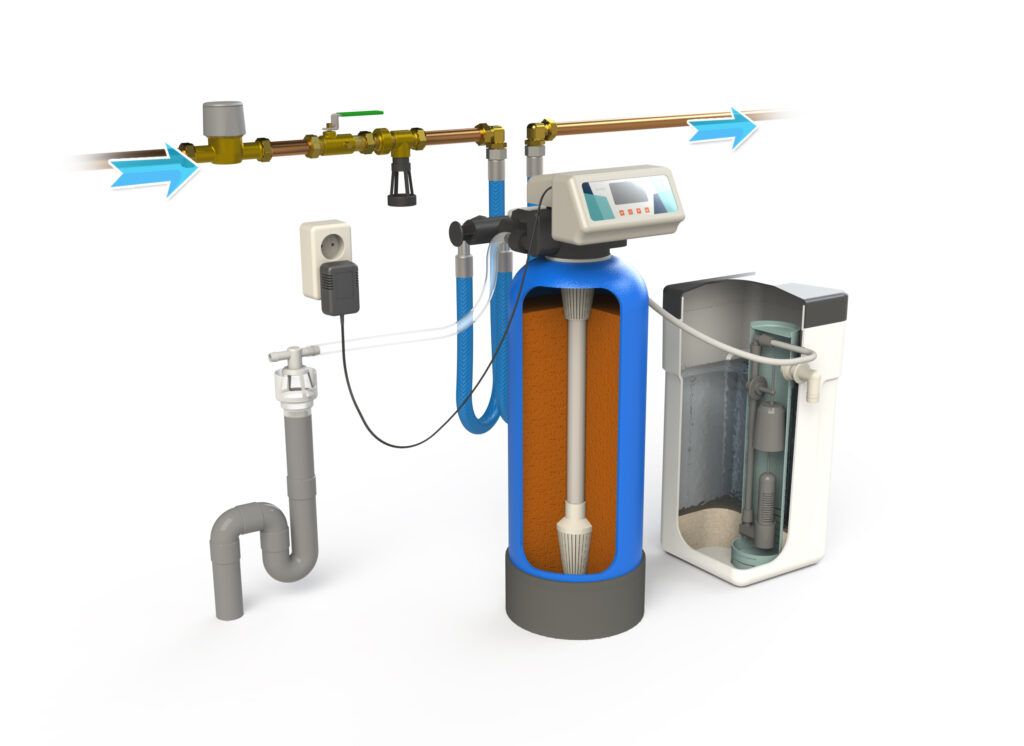
What are the benefits of a water softener?
- Little or no new limescale on taps, tiles and appliances
- Softer laundry, often with less detergent
- Kettles, boilers and washing machines are protected from scale build-up
How does limescale form?
Hard water contains dissolved calcium and magnesium. When the water is heated or evaporates, these minerals crystallise and leave limescale on surfaces, in pipes and inside appliances.
How hard is your water?
Water hardness varies from region to region. Your local water supplier usually publishes the hardness of your tap water on its website. You can also buy a simple test kit. Knowing the figure helps you decide whether a softener is worth it and how to set it up.
Benefits of softening the whole house
- One unit treats all the water in the house.
- Existing scale in taps and showers tends to reduce gradually over time.
- Appliances such as boilers, kettles and washing machines are protected from new scale, which can help them work efficiently for longer.
- You need less cleaning product to keep bathrooms and kitchens free of limescale.
- Some people with sensitive skin find softened water more comfortable. If you have a skin condition, ask your doctor for advice.
Ask the supplier what warranty they offer on the unit and the installation, and get it in writing.
There are several ways to treat hard water, and not all of them actually soften it:
- Salt-based (ion exchange) softeners: these remove the minerals and are the proven option
- Filter-based systems
- Magnetic and electronic "conditioners": these don't remove minerals, and the evidence that they work is limited, so we don't recommend them
What affects the price
Most of the price is the unit itself, so it pays to compare types and brands. Installation is the other part. It depends on where the softener goes, whether a drain and power point are nearby, and how much plumbing is needed. Prices vary by company and region, so compare a few quotes. Through Fixmycrib you can request up to 4 quotes for free.
Are there any disadvantages?
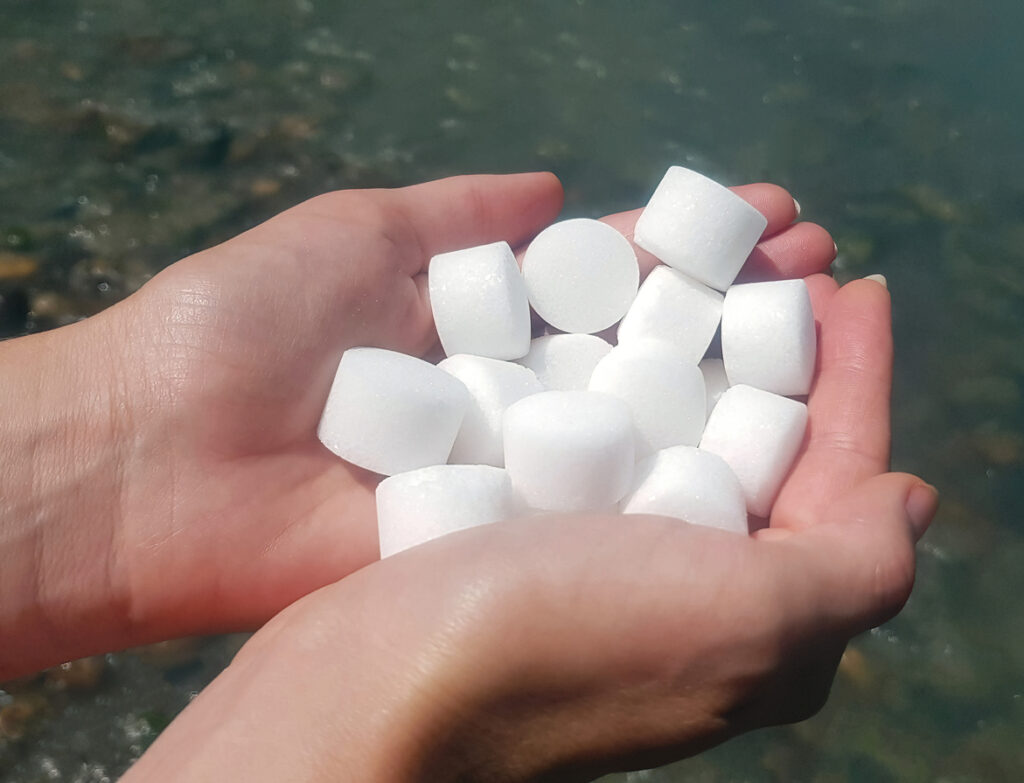
- You need to top up the salt regularly, typically every few months depending on water hardness and use.
- The upfront cost is fairly high, so compare warranties as well as prices.
- Some units are noisier than others during regeneration, so ask about noise if it will sit near a bedroom.
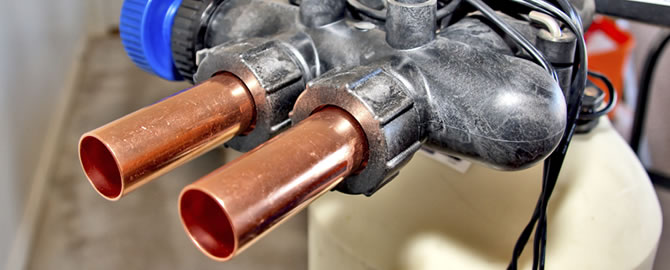
- It needs a drain connection for the rinse water.
- It takes up space. Small units are about the size of a suitcase, larger ones for big households are much taller, so plan where it will go.
- A softener causes a small drop in water pressure. Ask the supplier how much for the model you're considering.
Frequently asked questions
Do I need a water softener?
If you live in a hard water area and notice limescale on taps, showers, kettles and appliances, a water softener can help. Your local water supplier can tell you how hard your water is.
How often do I need to add salt?
On average, a salt-based softener needs topping up about once a quarter, depending on your water hardness and how much water your household uses. Your manual tells you how often to refill.
Is softened water safe to drink?
Softened water is generally fine for everyday use, but many people keep a separate unsoftened tap for drinking and cooking. Ask your installer for advice for your situation.
How long does a water softener last?
A good-quality softener can last many years. Replacing the resin filter roughly once every ten years keeps it working at full capacity.
Which water softener should I choose?
First decide between an electronic and a non-electric (water-powered) softener. Electronic units use a timer or meter and let you set things like water hardness and when regeneration happens. They give you more control and information. Non-electric units are driven by water pressure, need no power socket and regenerate automatically based on use.
Also think about size: the unit should match your household's water use (see below). If you're unsure, ask the installer to test your water and recommend a model.
You could also consider generating your own electricity with solar panels.
Choosing the right size
Some households use far more water than others, and the softener should match. If you use a lot, you need a unit with enough capacity to keep up. If you use little, a smaller softener is cheaper to buy and uses less salt. A good installer will size it based on your household and water hardness.
Money-saving tips
A softener is a significant expense, so here's how to avoid paying more than you need to:
- Second-hand: used softeners are sold online for less. Check the age, ask whether the resin has been replaced and have it serviced before use.
- Do simple maintenance yourself: topping up salt, testing the water and cleaning the brine tank are not difficult. Don't let the salt run out: you'll only notice when limescale comes back. Your manual tells you how often to check.
- Set it to your water hardness. Ask your water supplier for the local figure so the softener doesn't use more salt than needed.
- Replace the resin when needed. Over time the resin wears out. Replacing it, roughly once a decade depending on use, keeps the unit working properly.
- Choose a local installer: shorter travel time keeps call-out costs down, and they're easier to reach for aftercare.
Any work on the incoming water supply should meet local plumbing rules, including a proper bypass valve and backflow protection. Use a qualified plumber.
Compare local specialists via Fixmycrib
Comparing quotes is the best way to see what's available and what it should cost. Doing that company by company is slow, because you give the same details each time. With Fixmycrib you enter your details once using the button below and receive quotes from companies in your area. Compare what each includes: the unit, installation, bypass valve, drain connection and warranty. It takes about 2 minutes.
Get up to 4 free quotes from vetted local pros
Post your job for free. No obligation to hire.