Solar Panels: Advice & Information
Thinking about buying or leasing solar panels? A solar panel turns sunlight into electricity, so you can power your home with energy from your own roof. On Fixmycrib, the comparison and advice platform for home improvement jobs, you'll find practical information on costs, yields and the mistakes people often make. Ready to start? Request up to 4 free, no-obligation quotes here.
What are the benefits of solar panels?
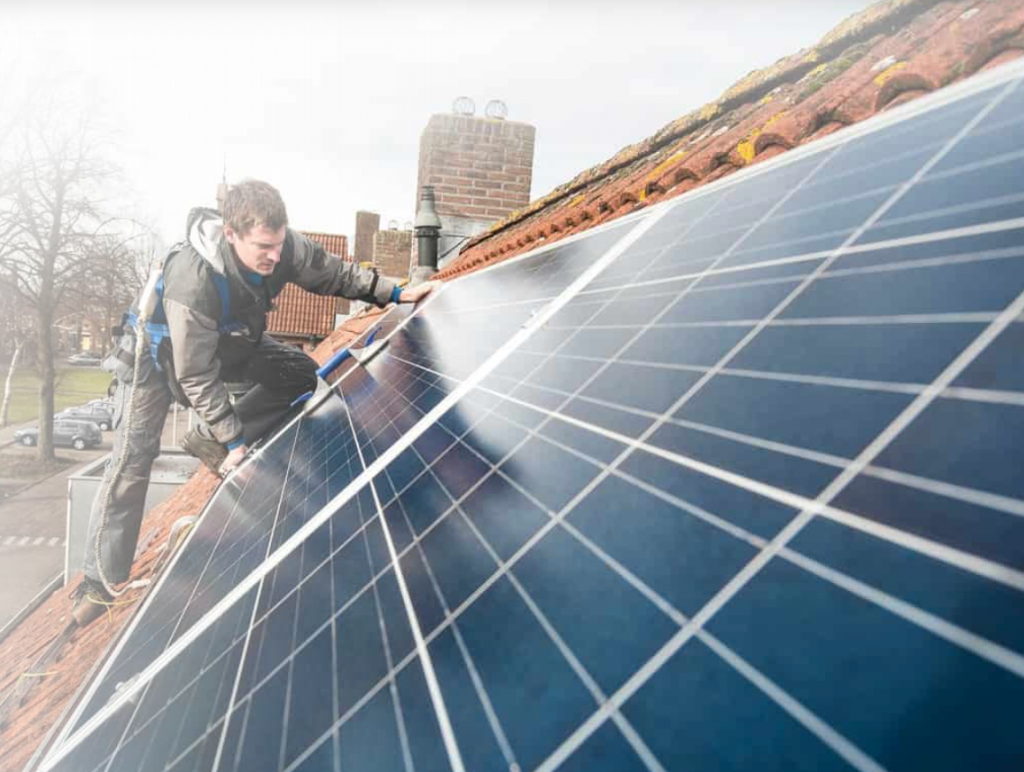
Do you have a suitable roof and plan to stay in your home for a good few years? Then solar panels are usually worth a serious look. Even in cloudier climates they produce a useful amount of electricity over a year. The main benefits:
- A better energy rating: solar panels improve your home's energy performance rating, which can help if you sell later.
- Lower energy bills: you use your own electricity, so you buy less from the grid and are less exposed to rising prices.
- Possible grants or incentives: depending on where you live, there may be grants, tax breaks or other support. Check what applies locally before you buy.
- A reasonable payback period: how quickly you earn your money back depends on the system price, your roof, how much power you use yourself and energy prices. Ask each installer for a payback estimate based on your actual roof and usage. Panels typically last 25 years or more, so they keep producing long after that.
- Cleaner energy: sunlight is a clean source, so you cut your reliance on fossil fuels.
Buying Solar Panels?
Buying solar panels is a big outlay, so it's fair to ask whether it pays off. For most homes with a suitable roof it does, and once the system has paid for itself you're getting electricity from your own roof at very low running cost. Before you buy, compare panel type and output, the inverter, warranties and the installer's experience.
Leasing Solar Panels?
Buying solar panels takes a fair amount of money up front. Leasing spreads the cost: you pay a monthly fee and still benefit from the electricity the panels produce. Read the contract carefully (length, maintenance, what happens if you move) before you sign. Click the button below to read more about this option.
What types of solar panels are there?
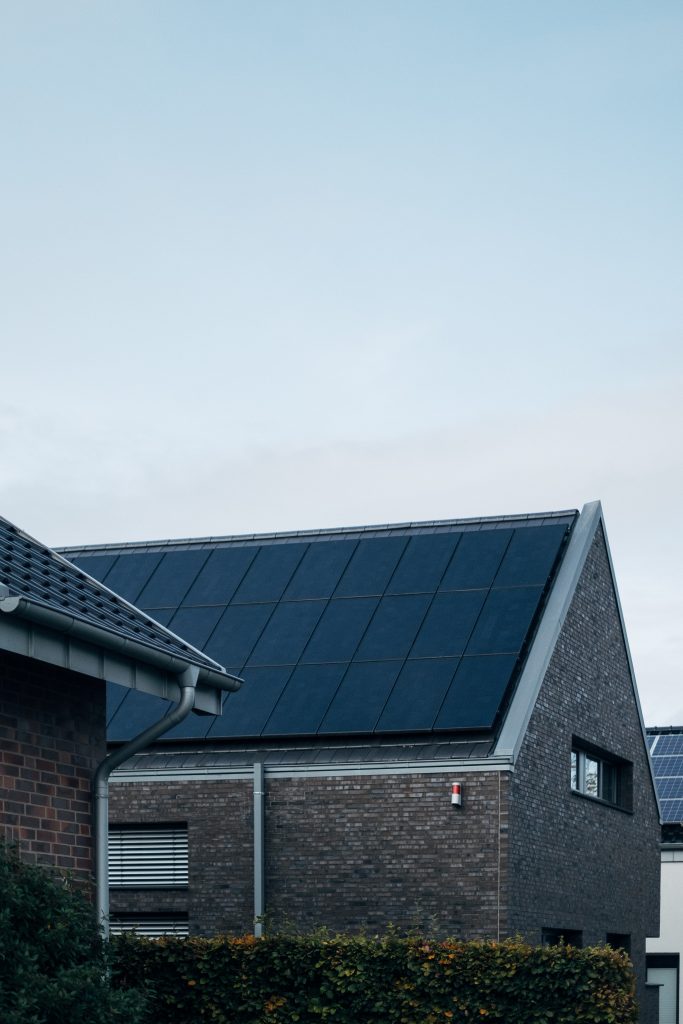
There are several types of solar panels, but they all work in a similar way. A solar panel, also called a photovoltaic (PV) panel, contains solar cells. These consist of two layers that generate an electric current as soon as sunlight hits them. That is why solar panels are usually installed on roofs, where they can capture the most sunlight.
Note that the electricity generated cannot be used straight away: solar panels produce direct current (DC), while our homes run on alternating current (AC). That is why every solar installation also includes an inverter, which converts the direct current into alternating current and connects to your consumer unit.
1. Polycrystalline solar panel
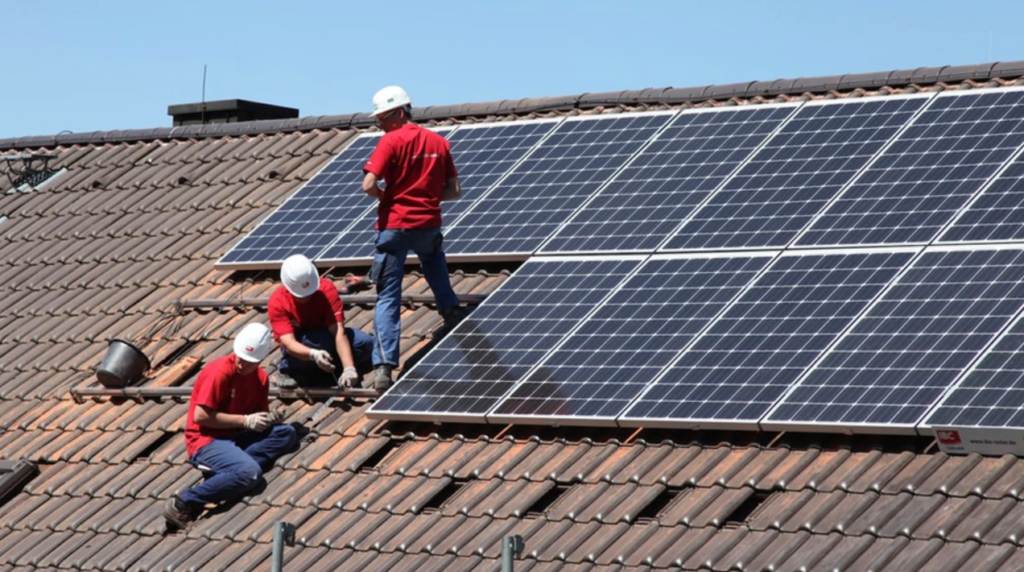
Polycrystalline panels are made of silicon. During production the silicon cools in a way that leaves the crystals pointing in different directions, which is where the name comes from. You'll recognise them by their blue, slightly speckled look. They're usually cheaper than monocrystalline panels but a little less efficient, so you need a bit more roof space for the same output.
2. Monocrystalline solar panel
Monocrystalline panels are also made of silicon, but from a single crystal, so the cells are uniform. They're more efficient, which makes them a good choice if roof space is limited: fewer panels can still give a good yield. The cells are black, so they look neater on most roofs. They cost a little more, but most new home installations now use this type.
3. Thin-film solar panel
Thin-film solar panels use a completely different technology, which means far fewer scarce raw materials are needed to produce them. They are also generally cheaper than monocrystalline and polycrystalline panels, but they have a lower efficiency, so you need more surface area to get a worthwhile result. On the other hand, thin-film panels look great thanks to their black colour, especially with a black frame.
How much do solar panels cost?
The best way to compare solar panel prices is to look at the cost per watt-peak (Wp). Watt-peak is the unit used to express the output of solar panels: it shows how much electricity they generate under ideal conditions. Prices per watt-peak vary by country, brand and installer, so always compare several quotes on the same basis.
What does a complete solar panel system cost?
There are plenty of installers about and prices vary a lot, which is why comparing several quotes pays off. The cost of a complete system (panels, inverter, mounting and installation) depends on the number of panels, the system output, your roof type and access, and whether scaffolding is needed. The installer should size the system to your household and electricity use. Also check whether your national or local government offers grants or incentives.
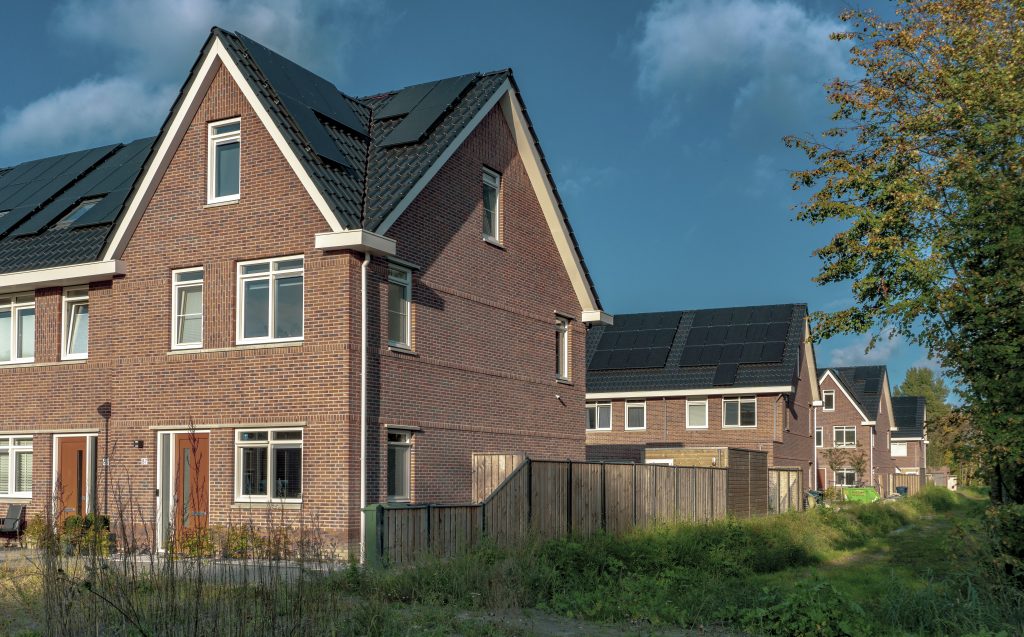
Where do solar panels deliver the best yield?
The yield of a solar panel system is not the same everywhere. The same set of panels can save considerably more on electricity in a sunny region than in a cloudier one, even within the same country.
Why are there differences between regions?
The yield of solar panels depends on a number of factors, and the climate plays a very important role. Key factors are the number of sunshine hours, the latitude and the amount of solar radiation at a particular location.
How many solar panels fit on a roof?
Before anything else, check whether your roof is suitable. Panels can go on pitched and flat roofs, but the roof has to be strong enough and in good condition, as removing panels later to repair the roof adds cost. Orientation matters too. In the northern hemisphere panels ideally face south (in the southern hemisphere, north), though an east-west layout also works well.
Next, work out how many panels fit. Roof size, chimneys, dormers, roof windows and shade from trees or nearby buildings all affect this. Short on space? Choose higher-output panels: you need fewer of them for the same yield.
Tip: ask the installer for a roof survey and a written panel layout with an estimated annual yield, and check whether your building needs planning permission (for example a listed building or a conservation area).
Comparing solar panel quality
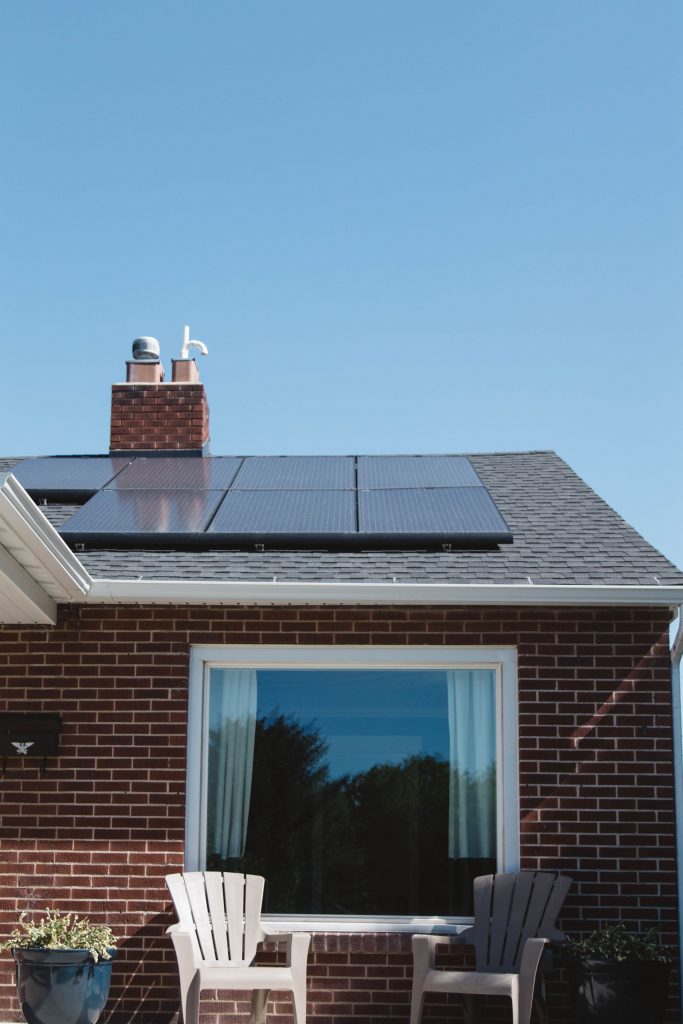
Yes, quality differs between brands, and it's worth checking. Price pressure in the market leads some manufacturers to cut corners on materials: cheaper sealant on the junction box, thinner contacts between cells or weaker UV-protective film. A junction box that comes loose can even become a fire risk.
Ask installers which panel and inverter brands they use, how long the product and performance warranties run, and whether the warranty is backed by a manufacturer that's still likely to be around in 20 years.
Request quotes:
Frequently Asked Questions
Are solar panels worth it?
For most homeowners with a suitable roof, yes. They lower your energy bills, last 25 years or more and usually pay for themselves well within that time.
How long does installation take?
A typical home system is installed in one or two days, depending on its size and the roof.
Do solar panels need maintenance?
Very little. An occasional check and a clean if there's a lot of dust or bird droppings keeps them working well. Expect to replace the inverter once during the panels' lifetime. Don't climb on the roof yourself: use a professional for anything at height.
Should I buy or lease solar panels?
Buying usually gives the better long-term return, while leasing needs no upfront investment. Compare quotes for both to see what suits you.
Get up to 4 free quotes from vetted local pros
Post your job for free. No obligation to hire.