

There are more types of uPVC windows than most people realise, and the opening style affects ventilation, security, cleaning and price. Here are the most common types, followed by tips on glass, finishes and corner joints so you know what to ask for in a quote.
Fixed windows
A fixed window doesn't open. It's the cheapest option and lets in the most light per frame. Add a trickle vent if the room needs fresh air.
Tilt and turn windows
A tilt and turn window tilts inwards at the top for gentle ventilation, or swings fully open like a door. It's very versatile, and you can clean the outside of the glass from indoors.
Bottom-hinged (hopper) windows
Common in bathrooms, these are hinged at the bottom and tilt inwards at the top. They're mainly for ventilation.
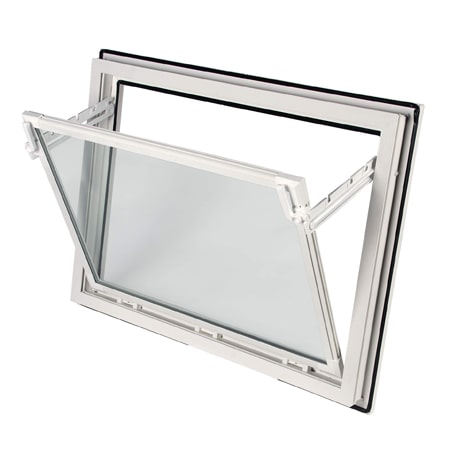
Other types of uPVC windows
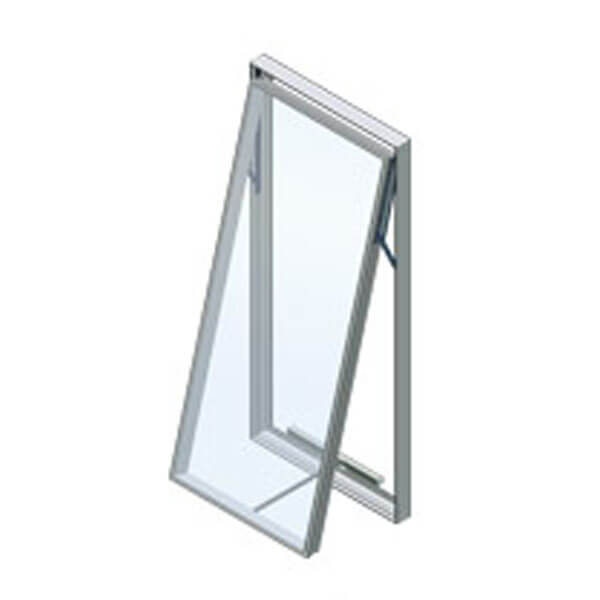
Less common types of uPVC window frames include French casements (two opening sashes in one frame with no centre post), sliding sash windows, top-hung windows that open outwards at the bottom, and pivot windows, often used in roofs, which rotate when opened.
The profile
The profile largely decides what the finished window looks like and how well it insulates. Ask the installer which profile system they use and compare the options in person if you can.
What types of glass are there?
High-efficiency double glazing is the standard and works well in most homes. Triple glazing, acoustic glass or safety glass add cost, so choose them where they're really needed, such as on a noisy road, in doors or in low windows. Read more about high-efficiency glazing.
Want to know what your uPVC window frames will cost? Request 4 free window frame quotes through Fixmycrib, with no obligation to accept any of them.
Choosing the right type for each room
For each room, think about how you want to use the window. Fixed windows suit spots where you want light but don't need to open them. On the ground floor, choose windows with good locks and lockable handles, as that's where the burglary risk is highest. In bathrooms, a bottom-hinged window with obscure glass lets steam out while keeping privacy.
Top-hung windows open outwards at the bottom and can stay open in light rain. Sliding windows slide sideways over a fixed section, which is handy where an opening sash would get in the way. Pivot windows are mostly found in pitched roofs. Tilt and turn windows are the all-rounder: tilt them for overnight ventilation or open them fully to cool the house quickly after a hot day.
Choosing a good finish
Window frames are a big part of how your home looks, from the street and from inside, and you'll live with them for a long time. Cheap white uPVC that discolours over time does a house no favours. Many people now choose a foil finish with a wood-grain texture, which looks more natural than the old glossy smooth frames. Ask to see a sample in daylight before you decide.
Wood-grain foils come in many colours and species, such as oak, beech or cherry. For a natural look, check that the grain pattern doesn't visibly repeat across a large frame: a repeating pattern gives the game away from a distance.
Square or mitred corners?
You can also choose how the corners are joined. Square (90-degree) joints, which mimic traditional timber frames, are popular, while mitred corners can look dated to some people.
Square-looking joints aren't always what they seem, though. Some are mitre-welded underneath and finished to look square, and how well that's done varies between manufacturers. Others overlap the profile at the front, which can make the joint slightly weaker and more prone to cracking. Ask the installer how their corners are made and look at a finished example. Looks matter, but don't let them outweigh strength.
Before you request quotes, decide which window types you want in each room, which glass you need and which finish you like. Then compare quotes on the same basis, check what the guarantee covers and choose an installer with good reviews and the right insurance.
Request uPVC window frame quotes
More interesting articles to read
Interior Inspiration: 5 Tips After Your Renovation or Move
Get up to 4 free quotes from vetted local prosPost your job for free. No obligation to hire.Post a jobRequest a quote
Window Covering Ideas: 8 Handy Tips
Window coverings finish a room, but with so many options it's easy to get stuck. Below are practical window covering ideas, from curtains and blinds to shutters, plus what each type is good at, so you can pick what suits your rooms and the way you live. They do two jobs. Practically, thick curtains help [...]

10 Tips for a Warm Home This Winter
If you're wondering how to keep your house warm in winter without the heating running flat out, small changes add up. Heating is usually the biggest part of a household's energy use, so the tips below help with comfort and with your bill. Some cost nothing; others are bigger jobs worth planning before the cold [...]
Moving or Renovating: The Pros and Cons
Your family is growing, you're working from home more, or the house simply no longer fits. At that point most people face the same question: move or renovate? Is a loft conversion or extension the smarter investment, or is it better to sell and buy somewhere that already suits you? There's no single right answer, [...]

How Can I Prepare My Roof for Winter?
Autumn is the best time to prepare your roof for winter. The weather is usually still dry enough to spot problems and get them fixed before storms, heavy rain and frost arrive. Think of it as an annual check-up: a cracked tile or blocked gutter is cheap to sort out now, while a winter leak [...]
Can You Drill Into uPVC Window Frames?
Drilling into uPVC window frames is possible, and lots of people do it to hang blinds or a fly screen. But there are a few things to know first: once a hole is made it's permanent, and there's steel inside most frames. Here's what to watch out for, and the no-drill options that are often […]
What Are the Benefits of a uPVC Sliding Door?
uPVC sliding doors are now almost as common as uPVC window frames, and it's easy to see why. A uPVC sliding door needs little upkeep, insulates well and can be made to fit almost any opening. Here's what to know before you buy one, including what to check when choosing an installer. What is a [...]
Grants and Incentives for New Windows
Grants for New Windows New uPVC window frames are a big investment, so it makes sense to check whether there are grants for new windows before you sign anything. Governments at national, regional or local level regularly run schemes that help homeowners pay for energy-saving improvements, and better windows and glazing are often included. Some [...]