

Wondering how to make your home more sustainable without turning your life upside down? Start with the free habits, then work up to the bigger investments like insulation and solar panels. These 10 tips work for older homes as well as new ones, and most of them cut your energy bills too. For a broader overview, read our guide to making your home greener on Fixmycrib.
1. Use your thermostat smartly
Heating is usually the biggest energy cost in a home, so this is where small changes add up:
Heat the rooms you use most and keep doors closed.
Turn the thermostat down at night and when you're out. A programmable or smart thermostat does this automatically.
Try setting it one degree lower than usual, for example from 20 to 19°C. Most people barely notice the difference.
2. Hang your wet laundry out to dry
A tumble dryer is handy but uses a lot of electricity. Use it selectively: towels come out nice and soft, while shirts, jumpers and trousers can go on a drying rack or washing line. Your clothes will last longer and you're less likely to shrink them. If you dry indoors, open a window or run an extractor to avoid condensation.
3. Use a hot-water bottle or electric blanket
You spend most of your time in the bedroom asleep, so there's little point heating it all evening. Keep the bedroom heating low and warm the bed with a hot-water bottle or electric blanket just before you go to sleep. Check electric blankets for wear regularly and follow the manufacturer's safety instructions.

4. Switch to LED bulbs
LED bulbs use far less electricity than incandescent or halogen bulbs and last much longer. Older compact fluorescent bulbs also take a while to reach full brightness and wear out sooner if switched on and off often. Replace bulbs as they fail, starting with the lights you use most. If a fitting isn't suitable for LEDs, consider replacing it, and pass the old lamp on rather than throwing it away.
5. Separate your waste
When waste is sorted properly, materials such as plastic, metal, glass and paper can be recycled, which saves energy and raw materials. Your local council or waste authority can tell you exactly what goes where in your area. Composting garden and food waste is another easy win if you have the space.
6. Choose energy-efficient appliances
When an appliance needs replacing, check its energy label and running costs, not just the price tag. A heat pump tumble dryer, for example, uses much less energy than an older vented model. The same goes for fridges, washing machines, dishwashers and ovens. An induction hob is efficient too, and helps you move away from gas.
7. Fit an awning or outdoor blinds
If your home overheats in summer, external shading on sunny windows keeps heat out before it gets in, so you rely less on fans or air conditioning. An awning over the patio also gives you shade in the garden. Make sure it's fixed to a sound wall and retract it in strong wind.
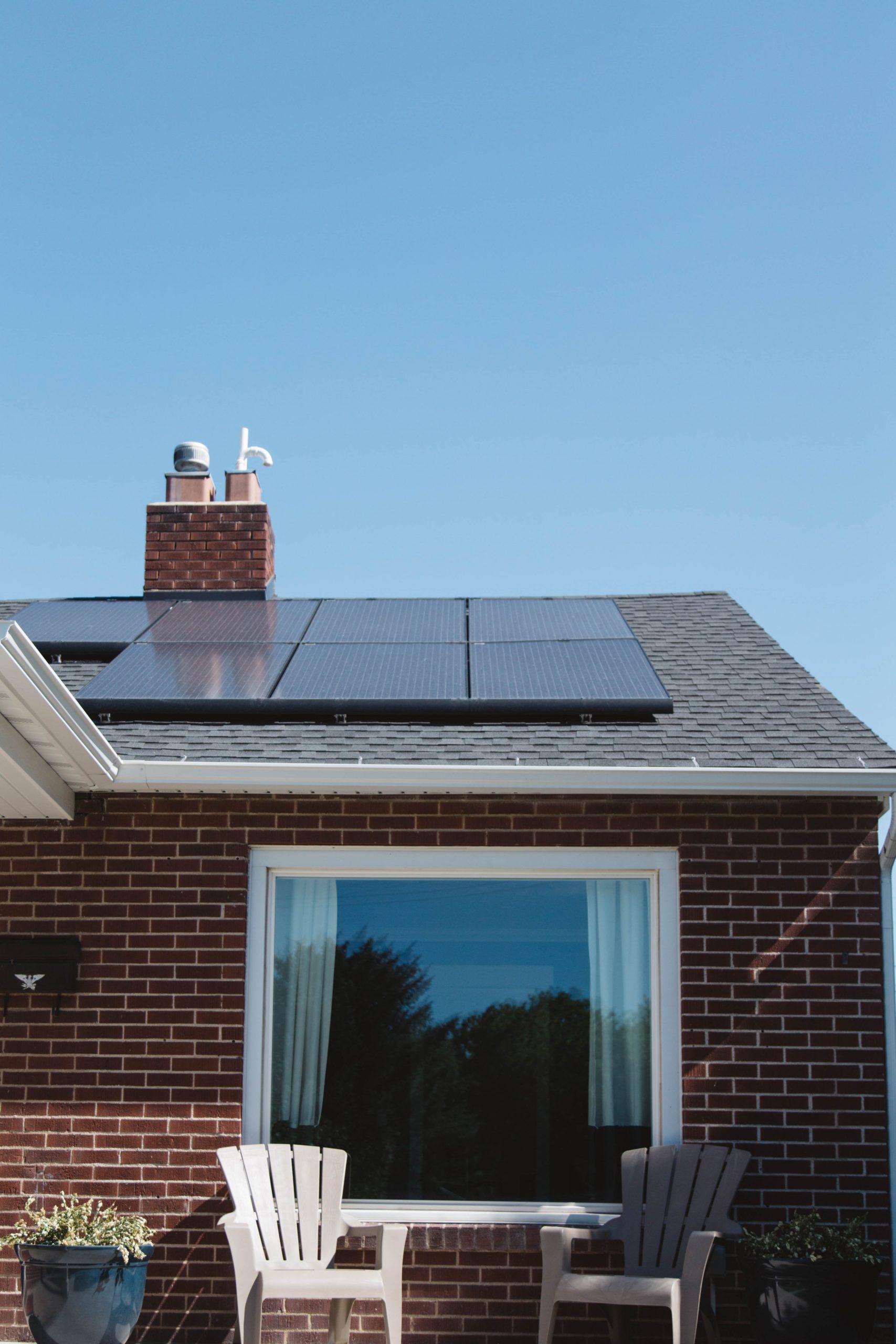
8. Solar panels
Now for the bigger investments. Solar panels let you generate your own electricity, so you buy less from your energy supplier and are less exposed to rising prices.
What they cost and how much you save depends on the size and orientation of your roof, any shading, your electricity use and local energy prices. Some countries offer grants or tax relief, so check what applies where you live. Ask installers for an estimate of yearly output, check their certification and what the guarantee covers on panels, inverter and installation. Request free quotes here.
9. Insulation
Insulation is one of the most effective ways to make your home more sustainable. A well-insulated home keeps heat in during winter and out during summer. The main options are cavity wall insulation, roof insulation and floor insulation.
Roof insulation
A lot of heat escapes through the roof, so roof or loft insulation is often the first job to do. Costs depend on the size of the roof and the method used.
Cavity wall insulation
If your home has cavity walls, filling the cavity is usually quick and relatively affordable, as it's done by injecting insulation from the outside. Have the walls surveyed first: not every wall is suitable, for example if there's damp or the cavity is very narrow.
Floor insulation
Insulating under a suspended floor is a smaller job with smaller savings, but it makes rooms noticeably more comfortable, and you'll have warmer feet. Keep air bricks clear so the space under the floor stays ventilated.
10. Heat pump or solar water heater
Once your home is well insulated, look at how you heat it. A heat pump or a solar water heater can cut your gas use considerably.
Heat pump
A heat pump can provide space heating and hot water using electricity and heat from the air or ground. The main types are hybrid heat pumps (which work alongside a boiler), air-to-water and air-to-air heat pumps. Have a certified installer assess your home, as a heat pump works best in a well-insulated house.
Solar water heater
A solar water heater uses the sun to heat your water, so your boiler or heat pump has less work to do. It works best on a roof that gets plenty of sun.
Get advice for your home
Not sure where to start? Begin with the free tips, then get quotes for the bigger measures from several specialists. Compare what they recommend, check reviews and certification, and ask for an estimate of the savings in writing.
More interesting articles about sustainability
Interior Inspiration: 5 Tips After Your Renovation or Move
Get up to 4 free quotes from vetted local prosPost your job for free. No obligation to hire.Post a jobRequest a quote
Window Covering Ideas: 8 Handy Tips
Window coverings finish a room, but with so many options it's easy to get stuck. Below are practical window covering ideas, from curtains and blinds to shutters, plus what each type is good at, so you can pick what suits your rooms and the way you live. They do two jobs. Practically, thick curtains help [...]

10 Tips for a Warm Home This Winter
If you're wondering how to keep your house warm in winter without the heating running flat out, small changes add up. Heating is usually the biggest part of a household's energy use, so the tips below help with comfort and with your bill. Some cost nothing; others are bigger jobs worth planning before the cold [...]
Moving or Renovating: The Pros and Cons
Your family is growing, you're working from home more, or the house simply no longer fits. At that point most people face the same question: move or renovate? Is a loft conversion or extension the smarter investment, or is it better to sell and buy somewhere that already suits you? There's no single right answer, [...]

How Can I Prepare My Roof for Winter?
Autumn is the best time to prepare your roof for winter. The weather is usually still dry enough to spot problems and get them fixed before storms, heavy rain and frost arrive. Think of it as an annual check-up: a cracked tile or blocked gutter is cheap to sort out now, while a winter leak [...]
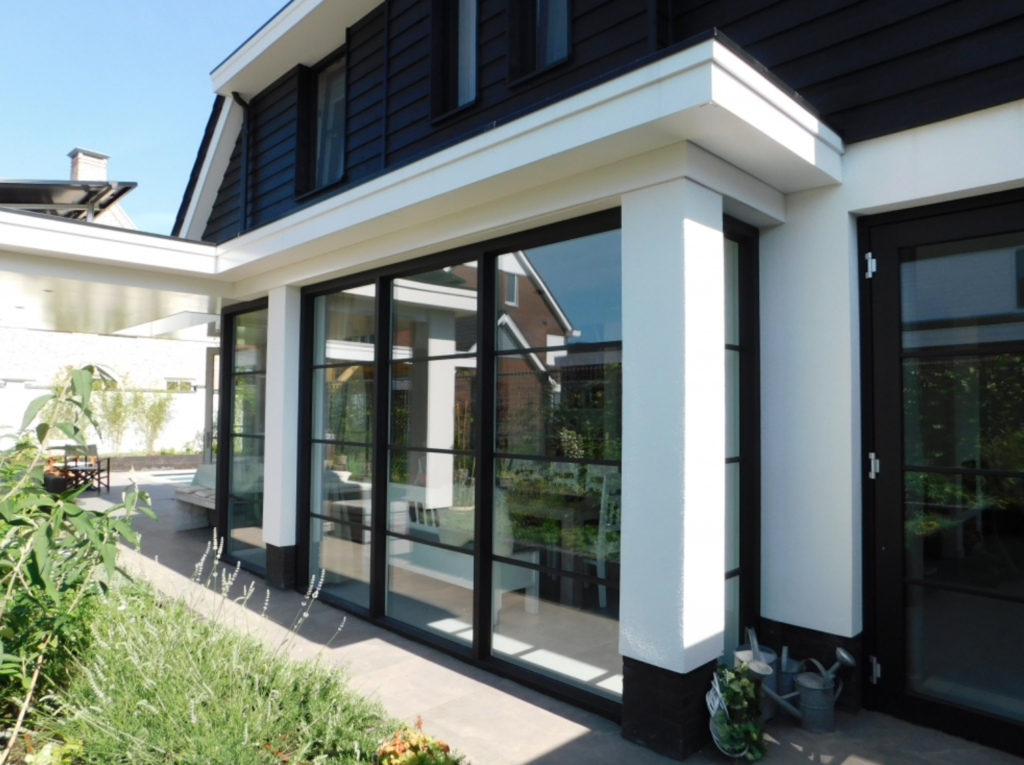
Can You Drill Into uPVC Window Frames?
Drilling into uPVC window frames is possible, and lots of people do it to hang blinds or a fly screen. But there are a few things to know first: once a hole is made it's permanent, and there's steel inside most frames. Here's what to watch out for, and the no-drill options that are often […]
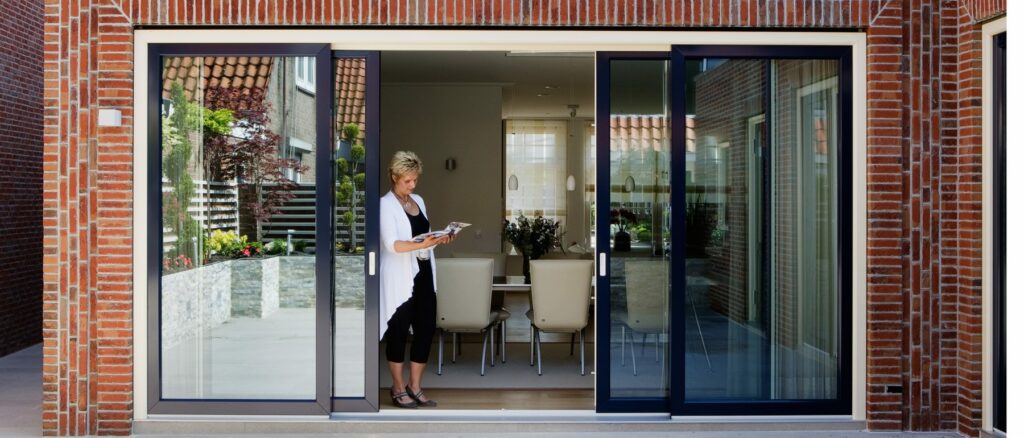
What Are the Benefits of a uPVC Sliding Door?
uPVC sliding doors are now almost as common as uPVC window frames, and it's easy to see why. A uPVC sliding door needs little upkeep, insulates well and can be made to fit almost any opening. Here's what to know before you buy one, including what to check when choosing an installer. What is a [...]
Grants and Incentives for New Windows
Grants for New Windows New uPVC window frames are a big investment, so it makes sense to check whether there are grants for new windows before you sign anything. Governments at national, regional or local level regularly run schemes that help homeowners pay for energy-saving improvements, and better windows and glazing are often included. Some [...]
Getting Your Home Ready for Autumn: 7 Handy Tips
Autumn is the right time to prepare your home for the colder months. Leaves start falling, so garden maintenance and clear gutters matter more, and damp patches often show up on walls as the weather turns wet. A few jobs now save you trouble (and money) in winter. Here are seven practical tips to prepare [...]

Financing uPVC Window Frames
If you're planning a renovation or need to replace your window frames, paying for a whole house of new frames in one go is a big outlay. Financing new windows spreads the cost, but the type of loan you pick makes a real difference to what you pay in the end. Here's how the common [...]

Building a Veranda onto Your House: 9 Advantages
A veranda attached to your house lets you sit outside long after the sun goes down, and on drizzly days too. It's a long-term addition, so it's worth weighing up the pros and cons before you commit. Below we cover the main types and materials, the advantages and disadvantages, what drives the cost, and what […]
uPVC Window Parts
What are the parts of a uPVC window? A uPVC window isn't one solid piece. It's built from several uPVC window parts: profiles, glass, hinges and locks, gaskets, handles and the fixings that hold it in the wall. Knowing what each part does helps you compare quotes, spot problems early and decide whether a fault [...]