
Resin Flooring Cost and Quotes
Thinking about a resin or poured floor? Maybe you have a new home, you're planning to remodel your home, or you just like the smooth, polished-concrete look. Resin flooring cost depends on the type of floor, the size of the area and the state of the subfloor. Through Fixmycrib you can compare poured floor specialists on price, materials and experience.
A poured floor is applied as a liquid and sets into one continuous surface with no joints. That makes it hygienic, thin and easy to clean. You'll know the look from shops, sports halls and car parks, and it's increasingly popular in homes. Here's what to know before you buy.
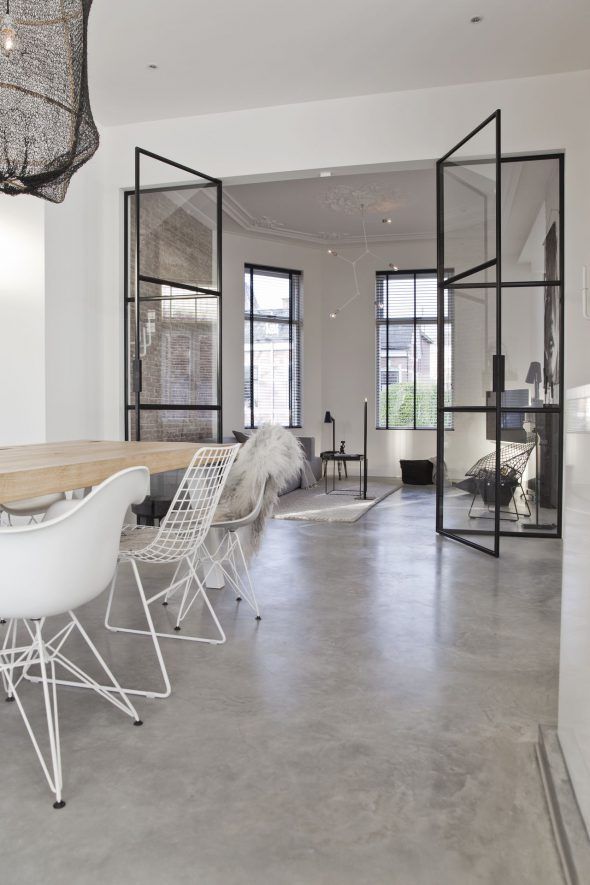
What Does Resin Flooring Cost?
Poured floors usually cost more than standard floor coverings, but a well-laid floor lasts a long time. The price is mostly labour: the floor is built up in several layers, each of which needs to cure, so installation can take several days to a week. The larger the area, the lower the price per square metre. Subfloor preparation (levelling, repairing cracks, removing old flooring) also adds to the cost. The table below compares common types by relative cost, thickness and suitability for underfloor heating.
| Type of poured floor | Relative cost per m2 | Thickness | Underfloor heating? |
| Polyurethane poured floor | Highest | 3-5 mm | Yes |
| Epoxy poured floor | High | 2-3 mm | No |
| Trowelled poured floor | Medium | 5-6 mm | Yes |
| Stone carpet floor | Lowest | 6-10 mm | Yes |
Pros and Cons of a Poured Floor
Poured floors aren't cheap, but they have clear advantages. These lists help you decide.
Advantages
- A sleek, modern look that suits industrial and minimalist interiors, with natural tones available for more rustic or classic homes.
- Lots of colours, finishes and styles, including patterns or a custom design.
- Thin, so in many cases doors and thresholds don't need adjusting. Check this with your installer.
- One continuous surface with no joints, so it's hygienic, water-resistant and easy to clean. Many people with dust allergies like that it doesn't trap dust.
- Hard-wearing and long-lasting when laid well, and often slip- and scratch-resistant.
- Most types work well with underfloor heating.
Disadvantages
- More expensive than most other floor coverings.
- Installation takes several days, and you can't use the room while the layers cure.
- A hard surface, and some types (especially epoxy) can feel cold and sound loud underfoot.
- Damage is harder to repair invisibly than with tiles or planks.
- Removing it later means grinding or breaking it out.
- Fumes during installation: ventilate well and keep out of the room until the installer says it's safe.
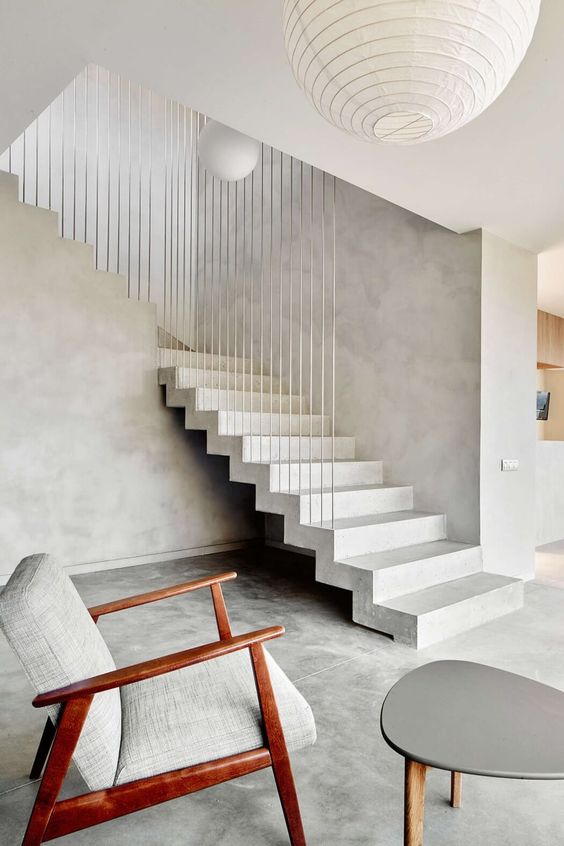
Types of Poured Floor
Strictly speaking, only polyurethane and epoxy resin floors are true poured floors, but there are many related variants, each with its own look. Here's a selection. Visit a showroom or ask for samples so you can see and feel the floors in person.
- Resin floors: classic poured floors made of polyurethane or epoxy with pigment mixed in. They can be finished in gloss or matt, with one or more colours and patterns. Acrylic floors, made of resin mixed with quartz sand, are a less common alternative.
- Floors with aggregate: add granules to the resin and you get a textured floor, such as stone carpet or marble carpet. You can leave the texture open or seal it with a clear coat, which is easier to clean but smoother underfoot.
- Concrete-look floors: popular for an industrial feel. Options include béton ciré, polished concrete, cement-based poured floors and microcement.
- Natural-tone floors: terracotta, sand or stone colours with a matt finish suit rustic and classic homes well.
- Terrazzo: marble chips set in cement or resin, then ground and polished. It's one of the most expensive options and much thicker than a standard poured floor.

Epoxy or Polyurethane?
For the classic smooth, glossy poured floor, you'll choose between polyurethane and epoxy. For a home, these sit at the upper end of the price range per square metre; for large commercial areas the price per square metre drops. The two resins behave differently, so pick the one that suits the room. The table below summarises the differences.
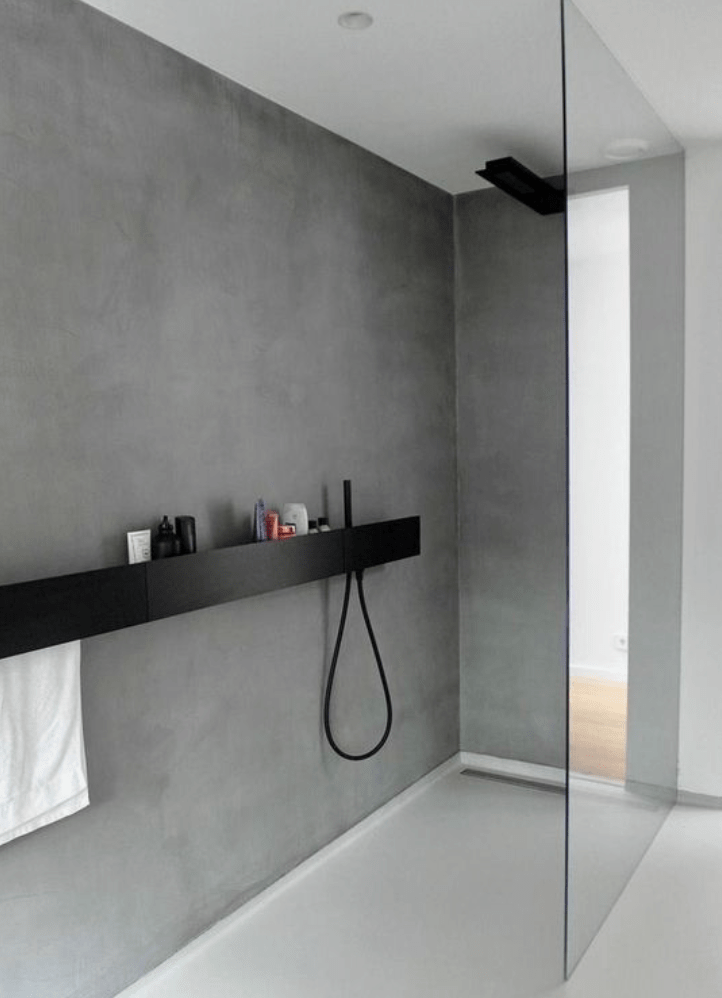
Tip: how about a matching concrete-look wall?
| Polyurethane resin characteristics | Epoxy resin characteristics |
| Slightly flexible
Sound-dampening Hygienic Sensitive to acids and chemicals Heavy objects can cause damage Very suitable for underfloor heating Crack-bridging Can be laid on most subfloors | Hard and inflexible
Noisy Hygienic Resistant to acids and chemicals Very strong and resistant to heavy loads Not suitable for underfloor heating Prone to cracking Can only be laid on a level subfloor |
| Polyurethane resin applications | Epoxy resin applications |
| Residential and industrial
In standard settings such as homes, sports halls, hospitals and shops. | Mainly industrial
Under heavy loads, such as in garages, car parks, factories and laboratories. |
How Do You Repair a Poured Floor?
If your floor gets damaged, first check whether it's still under guarantee and what the guarantee covers. Ask about the guarantee length before you sign, as it varies by installer. If the guarantee has expired or doesn't cover the damage, there are several repair options. The table below shows them with their relative cost.
| Type of defect | Repair | Relative cost per m2 |
| Refresh | You get a new, stronger top coat that brings your floor back to life. | Low |
| Discolouration/wear | A new colour layer and top coat are applied over your existing floor. | Low to medium |
| Damage | The damaged section is removed and relaid, and a completely new top coat is applied to the whole floor. | Medium |
Request Free Poured Floor Quotes
The best way to start is by comparing quotes. Click the button below to request quotes from poured floor specialists in your area, free and without obligation. It only takes a couple of minutes. When you compare, check the type and thickness of the floor, how the subfloor will be prepared, the curing time and the guarantee.

Money-Saving Tips
A few ways to keep the cost down:
- Choose a local specialist: installation takes several visits, and travel costs add up. A specialist near you keeps those down.
- DIY, with care: DIY resin kits exist. It's possible if the subfloor is level and clean and you keep dust off while it cures, but mistakes are hard to fix. Follow the safety instructions, wear gloves and a suitable mask, and ventilate well.
- Do the prep yourself: you could remove and dispose of the old flooring yourself to save on labour. Check with the installer first what condition they need the subfloor in.
- Do a larger area: the larger the area, the lower the price per square metre. Including the toilet or hallway in the same job can lower the average cost. Some systems are also suitable for outdoors if you want a matching patio.
Get up to 4 free quotes from vetted local pros
Post your job for free. No obligation to hire.