

A garden office gives you a proper place to work without giving up a room in the house. It's quieter than the kitchen table, and at the end of the day you can literally close the door on work. It's still a building, though, so it pays to think about layout, insulation, ventilation and planning rules before you order one.
Some suppliers say no planning permission is needed. That isn't always true, as you'll see in tip 4. Here are six practical tips from experience.
1. Plan the layout of your garden office
Floor space is limited, so a garden office can feel cluttered quickly. Measure your desk, chair and storage before choosing a size, and allow room to push your chair back. Large windows look great, but they also mean any mess is on show from the house and garden.
Think about power and internet early. A laptop is more practical than a desktop, and if you want a printer, choose one you can print to remotely. For a stable connection, a mesh Wi-Fi point or a cable run from the house usually works better than relying on the router indoors. Any new power supply to the building should be installed by a qualified electrician.

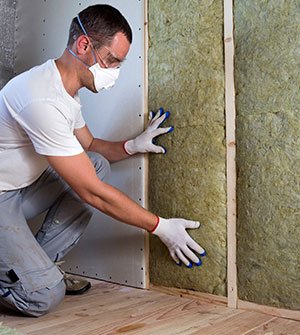
2. Make sure it's well insulated
You want to be comfortable in winter and not cooking in summer. Thicker walls help, but good insulation makes the real difference. PIR boards are a popular choice: light, rigid and with a good insulation value for their thickness, which suits a small building. Don't forget floor insulation and roof insulation, and consider blinds or tinted glass on south-facing windows to limit overheating.
3. Fit ventilation grilles
Like any small timber building, a garden office needs good ventilation, both for your comfort and to stop condensation damaging the woodwork. You don't need an expensive system: one grille low on one wall and another high on the opposite wall gives a steady airflow.
4. Check the planning rules and get advice
Planning rules are where garden offices get tricky. In many places, garden outbuildings can be built without planning permission under certain conditions. One of those conditions is often that the building isn't used as living space, and a regular office can count as closer to residential use. Size, height, distance to the boundary and whether you'll have visitors can all matter.
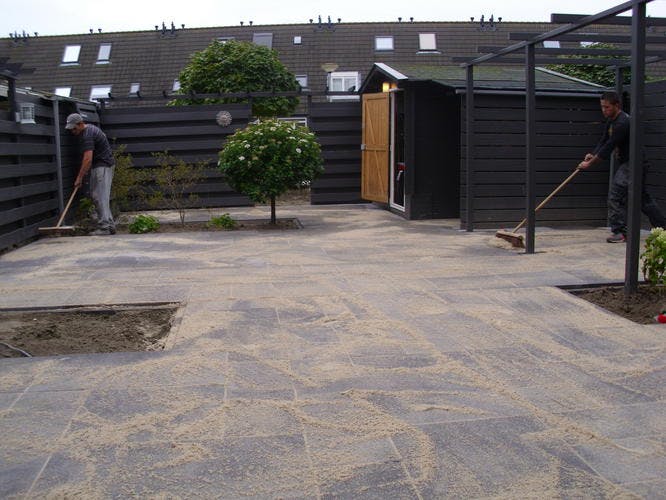
Rules differ by country and local authority, so check with yours before you buy, whatever the seller says. An architect can help with the application if one is needed, and a gardener can advise on access paths and how the office fits into the garden.
5. Keep your energy bills down
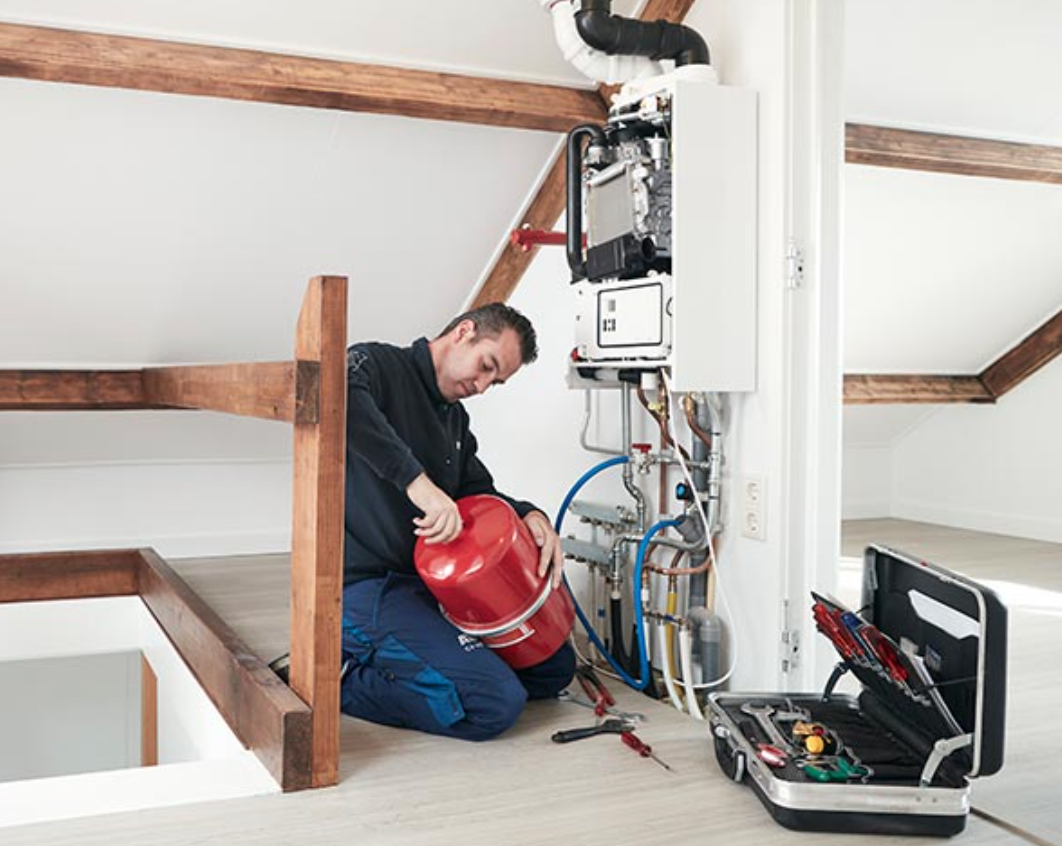
Heating a garden office in winter can cost more than you expect, so insulation comes first. After that, look at efficient heating, such as a small heat pump or air-to-air unit, rather than a plug-in heater running all day. If you're looking at the house as a whole, read more about making your home more sustainable, a heat pump, installing solar panels and a boiler check.
6. Enjoy it and get to work
Once it's built, make it a place you like spending time in: good light, a comfortable chair and a few plants go a long way.
Need a builder, electrician or insulation specialist for your garden office? Through Fixmycrib you can request up to 4 quotes from companies in your area. Compare what's included, check reviews and insurance, and choose the company you feel comfortable with.
Get up to 4 free quotes from vetted local pros
Post your job for free. No obligation to hire.