

Autumn is the best time to prepare your roof for winter. The weather is usually still dry enough to spot problems and get them fixed before storms, heavy rain and frost arrive. Think of it as an annual check-up: a cracked tile or blocked gutter is cheap to sort out now, while a winter leak can damage insulation, ceilings and timbers. Below you'll find what to check from the ground and from the loft, and when to call a roofer.
Why your roof needs regular care
Wind, sun, frost and rain all wear a roof down over time. Chimneys, aerials, roof windows and solar panels added later also create joints where water can get in. The older the roof, the more attention it needs: if your roof is over 30 years old, have it inspected at least once a year. Not sure of its age? Check the purchase documents or ask neighbours with similar houses.

Safety comes first
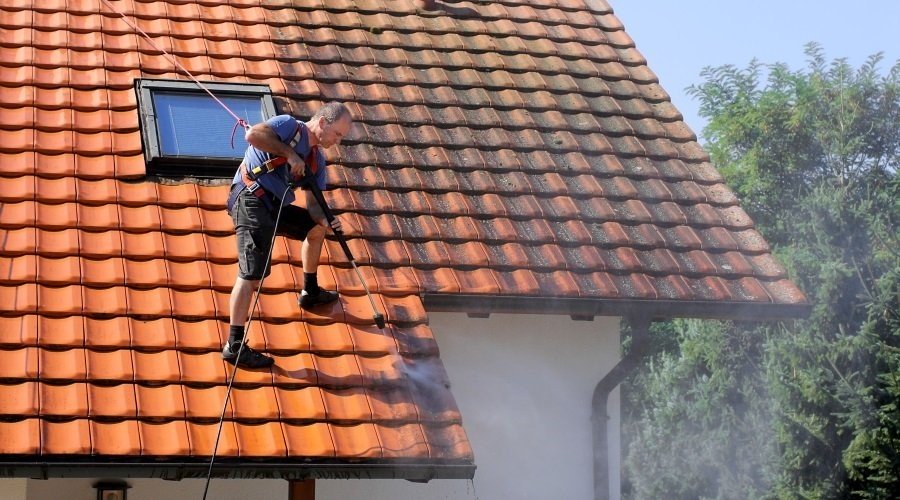
Don't climb onto the roof yourself. Falls from height are one of the most common causes of serious DIY injuries, and wet or mossy tiles are slippery. Use binoculars to inspect the roof from the ground, and if you can get into the loft, check it from the inside. Anything that needs a closer look is a job for a roofer with the right access equipment. Getting roof maintenance done before winter is money well spent.
What should you look out for from the outside?
- Look for discolouration and moss. Moss holds water against the tiles and can lift them over time.
- Check the roof for visible damage that needs repairing, especially around chimneys or other attached elements such as aerials or solar panels.
- Look for damp patches on outside walls, which can point to a leaking gutter or roof edge; if the damp persists, damp-proofing may be needed. Check gutter joints and downpipes, and clear leaves from the gutters once most have fallen.
- Check that ridge tiles, flashing and roof edges look secure, as these take the brunt of winter storms.
What should you look out for from the inside?
- Inspect the underlay (the membrane under the tiles) for tears or sagging. It's your second line of defence against water.
- Look for water stains or dark marks on timbers and insulation, especially under valleys, chimneys and fixings such as a satellite dish.
- Go up again during or just after heavy rain, with a torch, to see where any water comes in..
- Grit or crumbled material on the loft floor can mean old tiles or mortar are breaking down.
- Does your old tiled roof need replacing? You can request free quotes for a tiled roof through Fixmycrib and compare companies.
Ask an expert for advice
If you find signs of a leak, get it repaired as soon as possible, before winter weather turns a small problem into rotten battens or a stained ceiling. Signs of ageing deserve attention too. A roofer can tell you whether a repair is enough or whether the roof needs renovating or replacing. Larger jobs are best planned for spring or summer, so book early. Ask for a written quote, check reviews and insurance, and ask whether the work comes with a guarantee.
Request a No-Obligation Roof Maintenance Quote
How do I keep my roof healthy?
Check your roof at least once a year, ideally in autumn and again in spring. Stay on the ground with binoculars and look at the underlay from the loft. The state of the underlay, battens and gutters tells you a lot about the roof as a whole.
If your roof needs maintenance or renovation, contact a professional roofer.
Snow on the roof
Don't go up on the roof to clear snow. A normal house roof is designed to carry a snow load, and climbing on an icy roof is dangerous. On low, flat roofs such as a shed or carport, you can push loose snow off with a long-handled roof rake from the ground if a heavy layer builds up. Keep gutters and drains clear so meltwater can run away.
Don't use salt or chemical de-icers on the roof, as they can damage roofing materials. Leave ice to melt on its own. If you see large icicles or ice building up along the gutter, that can point to heat escaping through the roof and is worth asking a roofer or insulation installer about.
Why it pays to prepare your roof for winter
Having maintenance done before winter means small problems are fixed while the weather still allows it. Meltwater and wind-driven rain find the smallest gaps, on tiled and flat roofs alike. During a service the roofer typically replaces slipped or broken tiles, checks flashing and seals, and clears gutters. It's also worth checking your cavity wall for signs of damp at the same time.
Improve roof insulation in summer
If the insulation in your roof isn't up to standard, plan to have it improved in the summer. Installers are often easier to book then, and the work is more comfortable in dry weather. A well-insulated roof keeps more heat in, which lowers your energy use. Make sure the installer keeps the roof space properly ventilated to avoid condensation.
Get up to 4 free quotes from vetted local pros
Post your job for free. No obligation to hire.