

Wondering how to fit uPVC windows yourself? It can be done, and it saves on labour, but it's a precise job: a frame that isn't level, fixed or sealed properly will leak, stick or let in draughts. Below we walk through the options, the steps a professional follows and the extra costs that are easy to overlook.
How to fit uPVC windows
Fitting a window looks simple when an experienced team does it, but they have the tools, the routine and often a spare pair of hands for lifting. Before deciding, compare a few quotes: through Fixmycrib you can request up to 4 free quotes to compare prices and materials.
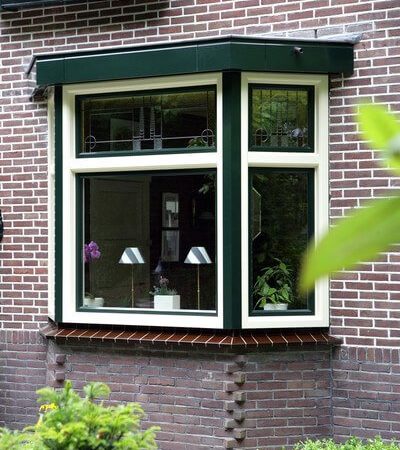
What does a uPVC window frame cost?
What can I do myself and what not?
There are several ways to go about it:
- Buy new frames with glazing and fit them yourself.
- Buy new frames with glazing and have the supplier fit them. This is usually best for the guarantee, as one company is responsible for both product and installation.
- Buy frames and have another company or a carpenter fit them. If problems arise later, it can be hard to say whether the product or the fitting is at fault.
- Buy frames and glazing separately and fit them yourself or have a carpenter do it. Many uPVC suppliers won't fit glass they didn't supply.
With every option, decide whether you want the old frames removed and taken away. Some window companies also offer a maintenance plan that includes adjusting and lubricating hinges and locks.
How do I replace wooden window frames with uPVC?
Step 1: Clear the room and lay down dust sheets, ideally with a board under the window. Have all materials ready before you start.
Step 2: Remove the wooden trim inside and out, and protect the ground outside too.
Step 3: Cut the old frame into sections with a suitable saw. Remove the glass first and wear gloves and eye protection. Arrange a skip or waste collection in advance.
Step 4: Lever out the remaining pieces of frame with a chisel and crowbar, taking care not to damage the brickwork or cavity.
Step 5: Clean the opening and check it's square. Measure again before the new frame goes in.
Step 6: Fit any sub-frame or packers so the new frame sits level and has support at the right points.
Step 7: Seal the gap between the sub-frame and the wall, including the cavity, to stop draughts and damp.
Step 8: Place the uPVC frame, check it with a spirit level in both directions and fix it to the wall with frame fixings, usually at several points on each side.
Step 9: Fill the gap around the frame with low-expansion foam or insulation, then seal inside and outside with a suitable sealant.
Step 10: Fit the glass and sashes, adjust the hinges so the window opens and closes smoothly, and finish the reveals.
Windows above ground floor mean working at height. Use proper access equipment, or leave those to a professional.
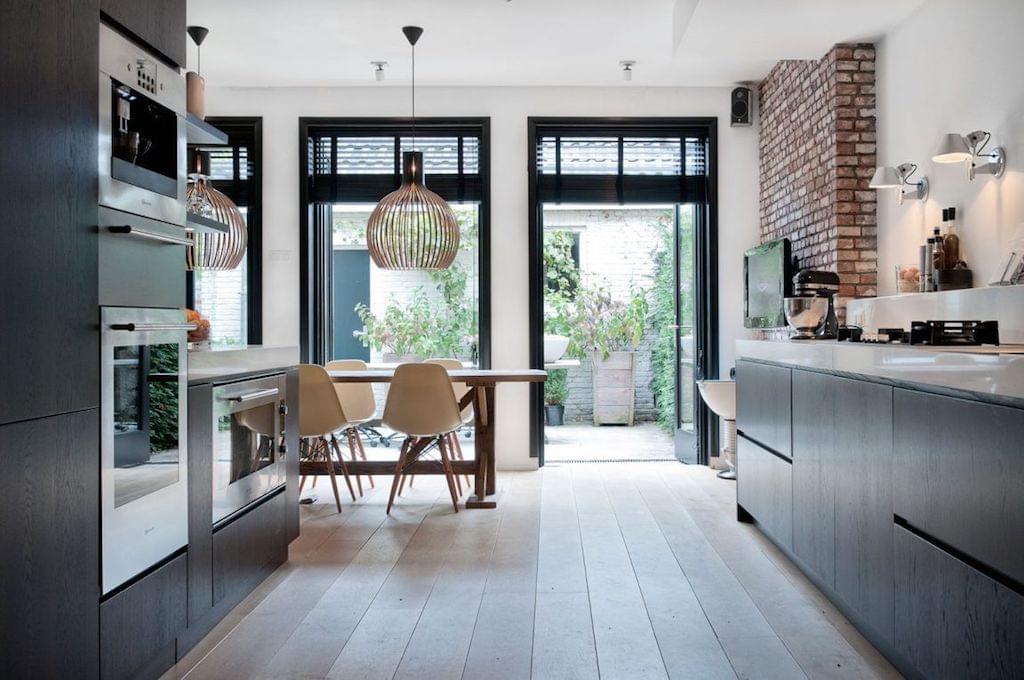
Advantages of fitting a uPVC window frame yourself
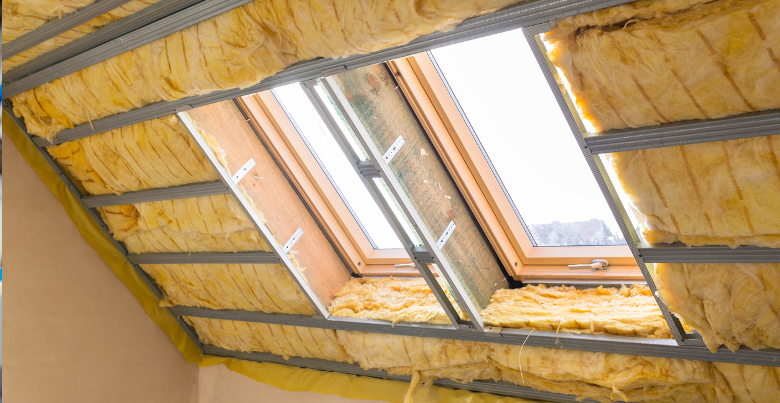
Labour is a big part of the total cost, so fitting the frames yourself can save a substantial amount. You can also work at your own pace. Bear in mind that a DIY installation may not be covered by the manufacturer's guarantee, and in some places replacement windows need to meet building regulations, which an approved installer can certify for you. If you have an older house, look at the insulation at the same time, since insulation work can damage newly fitted frames.
Having uPVC window frames fitted
Having new frames supplied and fitted by a uPVC specialist is the option most people choose. They handle the whole job, from measuring and removing the old frames to fitting, sealing and taking away the waste. Ask how many windows they'll fit per day, how they'll make good the plaster, and what guarantee you get on the frames and the fitting.
What are the extra costs?
If you do it yourself, factor in these extra costs:
- Skip hire or waste collection
- Disposal of old frames, glass and rubble
- Hiring or buying tools and access equipment
- Plastering and finishing the reveals, which costs more if the frames go in roughly
Request a uPVC Window Frame Quote
Get up to 4 free quotes from vetted local pros
Post your job for free. No obligation to hire.