Need a new roof, a repair or advice on your roof? Comparing roofing quotes is the easiest way to find a good roofer at a fair price. Through Fixmycrib you can compare roofers on price, materials, experience and guarantees. Your roof protects your whole home from the weather, so it's worth taking the time to choose well.
Read the information below so you know what to ask before you hire a roofer.
What Does a Roofer Do?
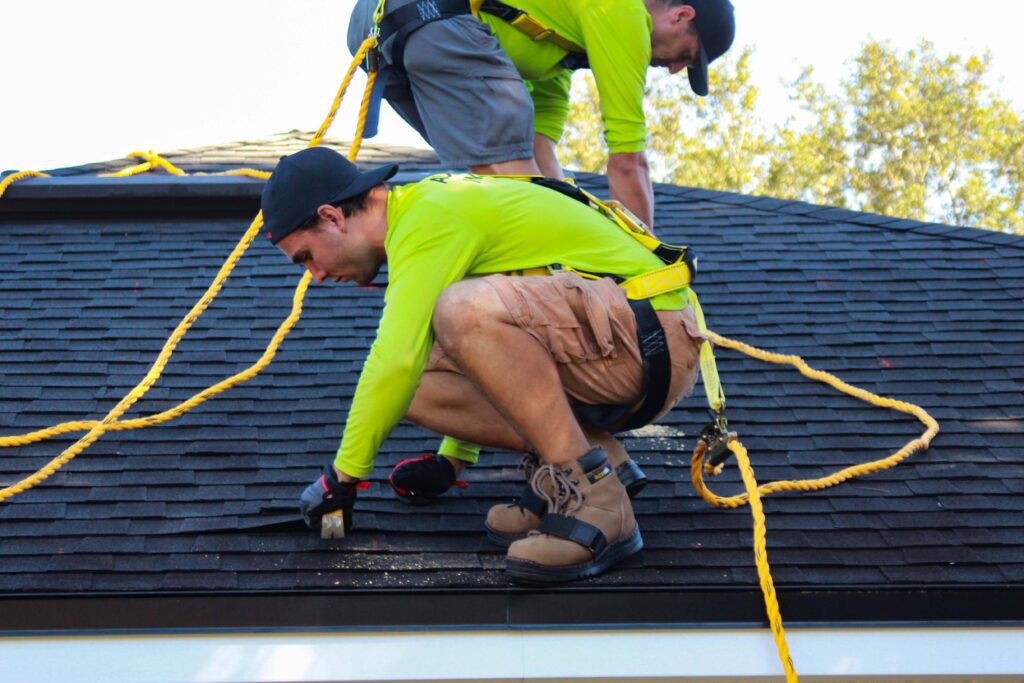
A roofer installs, repairs and maintains roof coverings so your roof stays watertight in rain, wind and snow. Depending on the job, that might mean laying tiles or slates, a bitumen, EPDM or synthetic membrane on a flat roof, or repairing flashing, leaks and storm damage.
Roof work is dangerous, so use a roofer with proper access equipment and insurance. Which covering is best for your roof? Read on.
What Does a Roofer Cost?
The cost depends mostly on the material you choose. The table below compares common options for pitched and flat roofs, with a rough lifespan so you can see when the roof might need replacing again. Lifespans depend heavily on quality, installation, climate and maintenance, so treat them as a guide. Actual prices vary by region, roof size, pitch, access and whether the old roof needs removing, so the table shows relative cost including materials and labour.
| Pitched roof covering | Lifespan | Relative cost per m2 |
| Concrete roof tiles | 25-35 years | Low to medium |
| Synthetic slates | 25-35 years | Medium |
| Thatch | 40-50 years | High |
| Clay roof tiles | 50-60 years | Medium |
| Aluminium | 50-60 years | Medium |
| Green roof | 60-75 years | Medium |
| Copper | 80-100 years | Very high |
| Natural slate | 80-100 years | Very high |
| Zinc | 100-120 years | High |
| Flat roof covering | ||
| Synthetic (PVC/TPO) | 25-35 years | Low to medium |
| Bitumen | 25-35 years | Low |
| EPDM | 40-50 years | Low to medium |
| Green roof | 60-75 years | Medium |
Are There Grants for Roofing?
A new roof is a significant investment. Grants for simply replacing a roof covering are rare, but many governments want homeowners to make their homes more sustainable, so energy-saving roof work may qualify.
- Green roof: some local or regional authorities offer grants for green roofs. Schemes differ from place to place, so check with your local council or government.
- Insulation: if you insulate the roof at the same time, you may be eligible for grants or tax relief. Some schemes require you to apply before work starts. See our roof insulation page for more.
Pros and Cons of a New Roof
A new roof is a big expense that's rarely subsidised, but sometimes it simply has to be done. Here are the pros and cons.
Advantages
- A new roof improves the look of your home and can make it more attractive to buyers.
- Long-lasting materials mean you may not need to replace the roof again for many decades.
- You're properly protected against the weather again.
- It's the ideal time for extra work, such as insulating the roof, adding roof windows or a dormer, or choosing a material you really like.
Disadvantages
- The cost. Replacing a roof yourself isn't realistic for most people because of the safety risks and skill involved.
- Disruption for you and your neighbours. A full roof replacement can take a week or more, with scaffolding around the house.
Types of Roof Covering
Choosing a new roof covering is a big decision, as it changes how your home looks for years. Here are the main options.
- Roof tiles: clay or concrete tiles come in many shapes, colours and sizes, so there's one to suit most homes.
- Slates: natural slate gives a traditional, distinctive look and lasts a long time, but it's on the expensive side. Synthetic slates are a cheaper alternative.
- Thatch: characterful and naturally insulating, but specialist work and relatively expensive. Check with your insurer, as thatched roofs can affect premiums.
- Metal: zinc, aluminium and copper are increasingly used on modern homes. Metal lasts a long time but can be noisier in rain or hail unless it's well insulated.
- Green roof: possible on flat and some pitched roofs. It adds insulation, absorbs rainwater and dampens sound. The roof structure must be strong enough to carry the extra weight, so have it checked first.
- Bitumen and EPDM: the most common coverings for flat roofs. Both are waterproof; bitumen is usually torched or bonded on, EPDM is a rubber sheet that's bonded down.
- Synthetic membranes: another option for flat roofs. Fully waterproof, fairly affordable and can be finished with gravel.
What Should I Keep in Mind?
A new roof refreshes the look of your home and protects it from the weather again. A few things to think about:
- Maintenance: ask your roofer how to look after the new roof and how often it should be checked. Regular checks catch small problems before they become expensive.
- Insulation: if the roof is being replaced anyway, it's the best moment to add insulation. A lot of heat escapes through an uninsulated roof, and insulating from the outside is much easier when the covering is off.
- Green roof: a green roof helps keep your home cooler in summer and warmer in winter. On a flat roof that's strong enough, it can even become a small roof garden.
- Permissions: changing the roof shape, height or material may need planning permission or building approval. Ask your roofer or local authority.
Quality Marks and Guarantees
Now you know the options and how they compare. When choosing a roofer, check their guarantees and credentials.
- Guarantee: reputable roofers give a written workmanship guarantee on the job. Also ask about the manufacturer's guarantee on the materials, and get both in writing.
- Certifications: ask which recognised certifications the roofer holds in your country, including health and safety training for working at height.
- Trade associations: membership of a roofing trade association is a good sign, as members usually have to meet certain standards. Check membership on the association's own website.
- Insurance: make sure the roofer has public liability insurance.
How Do You Find a Good Roofer?
The best way to find a good roofer is to compare. Ask several roofers in your area for a quote, and describe exactly what you want done so the quotes are comparable. Once you have 2 to 4 quotes, compare more than the price: the guarantee, certifications, materials, what's included (scaffolding, waste removal) and the roofer's experience and reviews. Be wary of anyone who knocks on your door uninvited claiming your roof needs urgent work, or who asks for a large payment up front.
Compare Roofing Quotes With No Obligation
Looking for a skilled, reliable roofer? Through Fixmycrib you can request quotes from roofers in your area. Click the button below to receive up to 4 free, no-obligation quotes by email.

Money-Saving Tips
A few ways to keep the cost of your roof down:
- Team up with neighbours: if you share a roof, your neighbours may want theirs done too. Doing the job together can lower the price per square metre and share scaffolding costs.
- Look after it: regular checks and small repairs help your new roof last longer and keep repair costs down.
- Choose a local roofer: a roofer based nearby is less likely to charge travel costs, which adds up on a job that takes several days.
- Help on the ground: don't go on the roof yourself, but you may be able to save labour by clearing the area or arranging waste removal. Agree this with the roofer first.
- Grants: check with your local council or government. Plain roof replacement rarely qualifies, but insulation or a green roof might.
Get up to 4 free quotes from vetted local pros
Post your job for free. No obligation to hire.