

Hard water slowly furs up your pipes, boiler and appliances with limescale. If you want to descale water pipes in your home, the usual approach is to stop new scale forming with a water softener and let softened water gradually loosen what's already there. Through Fixmycrib you can request free quotes from local water softener suppliers.
In older homes in hard-water areas, pipes can be badly scaled after years of use. That restricts the flow, which shows up as poor water pressure, slow-filling cisterns and appliances that wear out early. Below we explain how limescale forms, how descaling with a water softener works and what to expect.
How does limescale form?
Hard water contains dissolved minerals, mainly calcium and magnesium. When the water is heated or left standing, these minerals form hard deposits on pipes, heating elements, taps and showerheads. The harder the water, the faster it builds up. Limescale isn't harmful to drink, but it is bad for your plumbing: scale on heating elements and in boilers makes them less efficient, so they use more energy to heat the same amount of water. Your water supplier can tell you how hard your water is, or you can use a simple test strip.
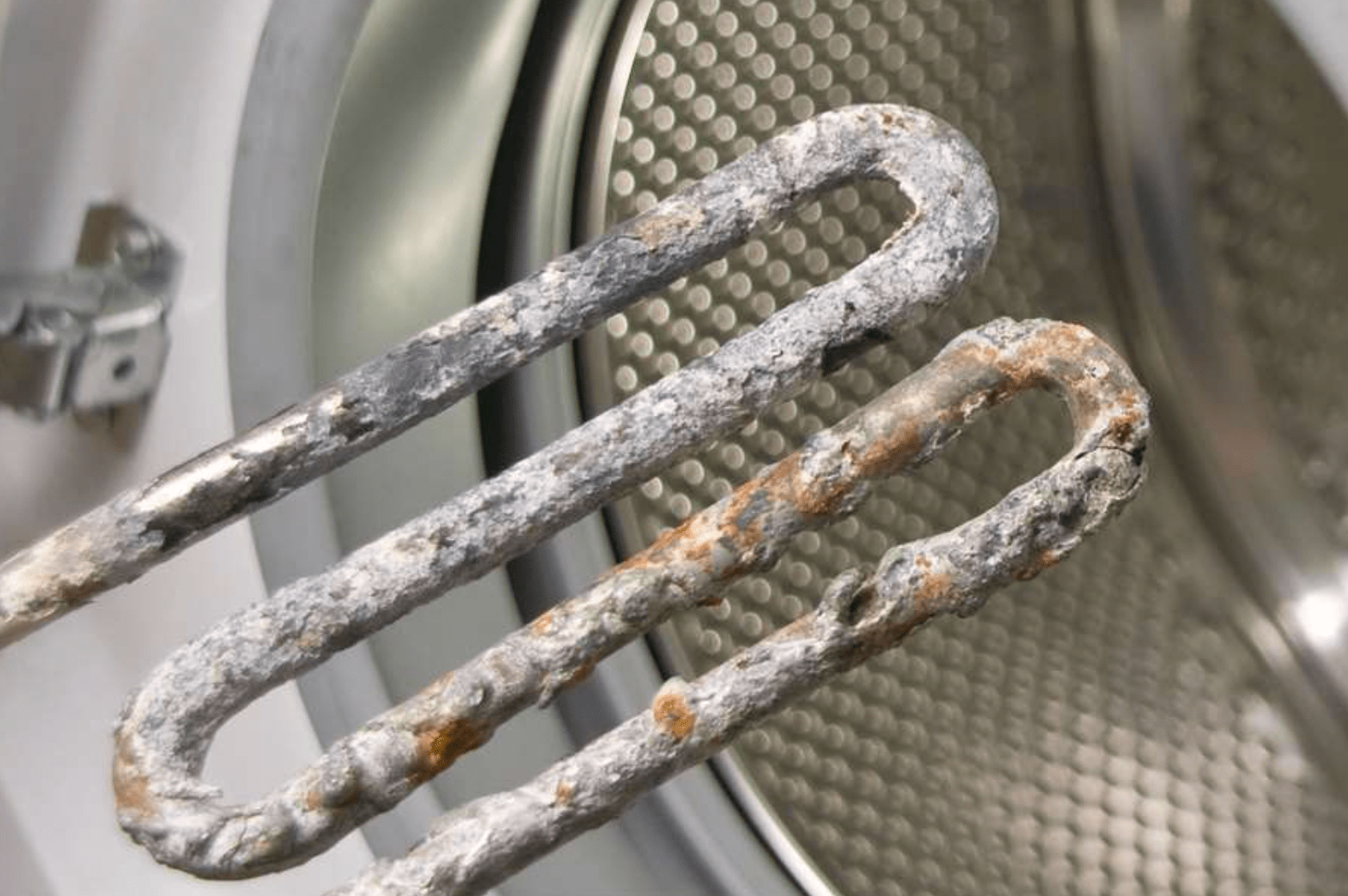
How to descale water pipes
You can't easily descale the pipes inside your walls the way you'd descale a kettle. The practical solution is a water softener, fitted on the incoming mains, usually just after the stopcock or water meter. Many people keep a separate unsoftened tap in the kitchen for drinking water, so ask the installer about that.
Softened water stops new scale forming and, over time, can gradually loosen existing deposits. It won't fix pipes that are badly corroded or almost completely blocked: those may need replacing. Have a plumber check the condition of old pipework if you have persistent pressure problems.
A handy tip
After your water softener is fitted, unscrew and clean the aerators on your taps and the showerhead every few weeks. As old scale loosens, flakes can come away and block them. Keep doing this until no more scale appears.
How long descaling takes varies
It depends on how much scale has built up, and most of it is out of sight in pipes, boilers and hot water cylinders. In a fairly new system, you may notice a difference within weeks. Where pipes have been exposed to hard water for decades, it can take many months, and some heavy deposits may never fully clear. A heavily scaled hot water cylinder or boiler may need to be descaled or flushed separately by a heating engineer.
Maintenance and what to ask the installer
A salt-based water softener needs topping up with salt regularly and an occasional service. Ask the installer how much salt and water the unit uses, how often it needs servicing, and whether it suits the size of your household. Make sure the installation includes a bypass valve, so you can isolate the softener for maintenance.
When to call a plumber
A water softener prevents scale, but it won't repair damage that's already there. Old metal pipes can corrode over time, sometimes leading to pinhole leaks. If you see damp patches, discoloured water or a sudden drop in pressure, have a qualified plumber inspect the pipework before relying on a softener alone.
Request Water Softener Quotes
Get up to 4 free quotes from vetted local pros
Post your job for free. No obligation to hire.