

The benefits of soft water show up all over the house: less limescale on taps and showers, appliances that last longer, and softer-feeling laundry. A water softener removes the minerals that make water hard. Below we explain how to check your water hardness, what soft water does for you, the few drawbacks to know about and how to get it.
How do you know whether your water is hard or soft?
Water hardness is mainly the amount of dissolved calcium and magnesium in your tap water. Your water supplier usually publishes the hardness for your area on its website, which is the easiest place to start. You can also test it yourself. Test strips give a quick, rough reading: dip one in the water and compare the colour of the squares with the chart.
For a more precise result, use a liquid test kit. You add drops of reagent to a small sample of water until it changes colour, and the number of drops tells you the hardness.
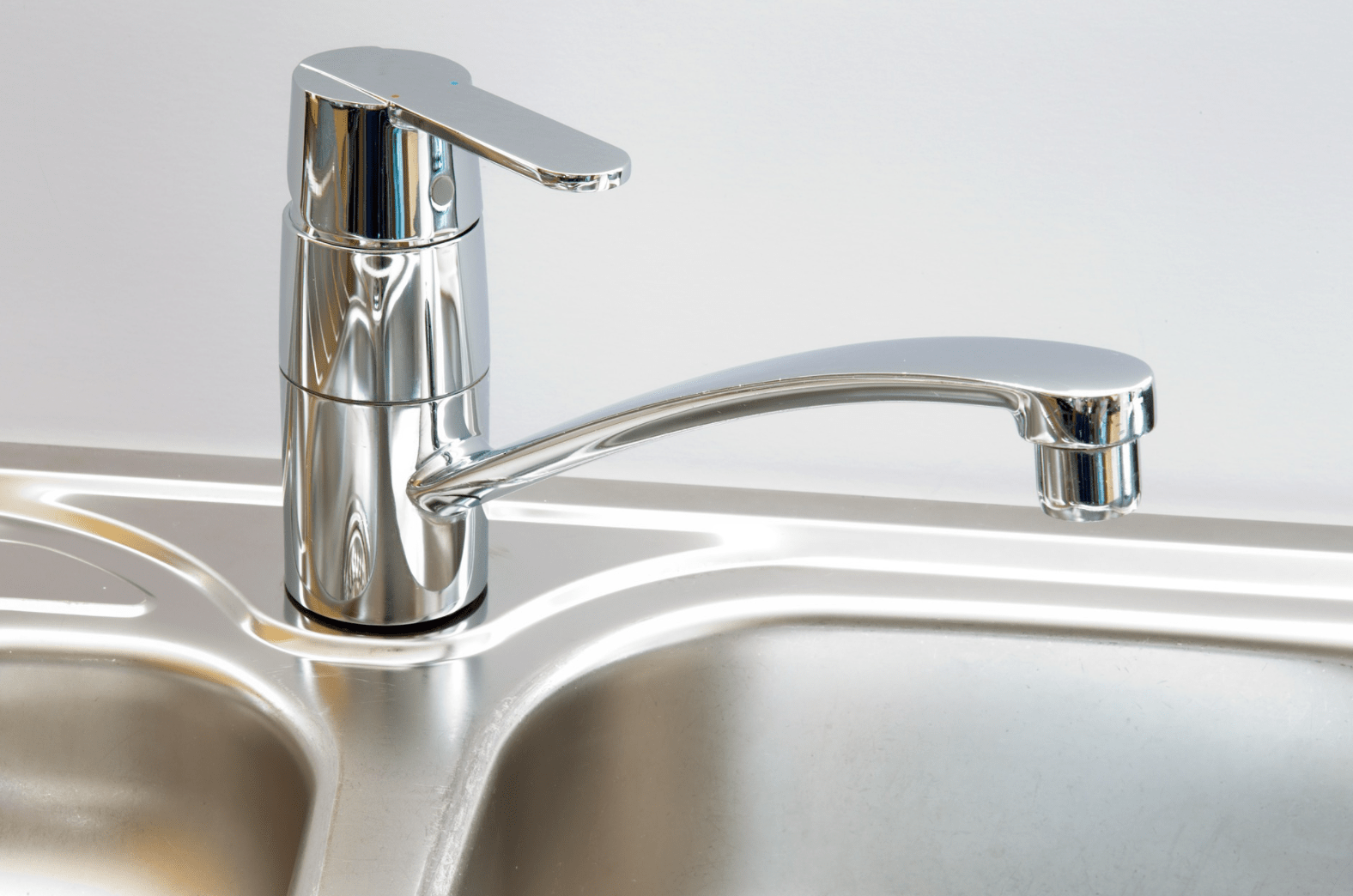
Water hardness is often given in German degrees (°dH), although some suppliers use other units such as mg/l or Clark degrees. As a rough guide:
• 0 to 4 °dH: soft
• 4 to 8 °dH: medium
• 8 to 12 °dH: fairly hard
• 12 to 16 °dH: hard
• Above 16 °dH: very hard
What does it mean if your water is hard?
Hard water leaves limescale on taps, showers, glass screens and in kettles. Many people find their hair and skin feel drier, soap and shampoo lather less, and towels feel stiff even with fabric softener.
Benefits of soft water
A water softener has one job: removing the minerals that cause limescale. Here's what that means in practice.
Far less limescale on taps and showers
Soft water leaves little or no limescale behind, so cleaning the bathroom and kitchen is quicker and you'll need fewer descaling products.
Lower energy costs
Scale on heating elements, in boilers and water heaters acts as insulation, so it takes more energy to heat the same water. With soft water, appliances stay cleaner and keep working efficiently. How much you save depends on how hard your water is and how much hot water you use.
Appliances last longer
Washing machines, dishwashers, kettles and coffee machines suffer less scale build-up, so they tend to last longer and need fewer repairs. You also use fewer cleaning and descaling products.
Clothes stay looking good for longer
Detergent works better in soft water, so you can use less and often wash at a lower temperature. Clothes come out softer and colours stay brighter for longer.
Kinder to your skin and hair
Many people with dry or sensitive skin find it feels more comfortable after switching to soft water, though results vary from person to person. Soap and shampoo also lather much more easily, so you need less.
Saving money
With less energy used for hot water and fewer products to buy, such as fabric softener, dishwasher salt, descalers and limescale cleaners, the savings add up over the year. The harder your water, the bigger the difference.

Disadvantages of soft water
At Fixmycrib we want to give you the full picture. Some people notice softened water tastes slightly different. Softened water contains a little more sodium, so many people keep one unsoftened tap in the kitchen for drinking and cooking, and it's generally not recommended for making up baby formula. Some boiler and appliance manufacturers also specify a minimum water hardness, so check with the manufacturer before installing a softener. A salt-based softener also needs salt top-ups and some maintenance.
How do you get soft water?
The usual way is to install an ion-exchange water softener on your incoming mains. Inside is a resin that captures calcium and magnesium and swaps them for sodium. The unit regularly cleans the resin automatically (regeneration), which uses salt and some water. You'll need to top up the salt, typically every few months depending on your water hardness and use.
Have it installed by a qualified plumber, with a bypass valve so you can isolate it for maintenance. If you mainly want better-tasting drinking water rather than softer water, an under-sink water filter connected to your kitchen tap is a separate option. Check which contaminants a filter is certified to remove before you buy.
Request water softener quotes:
Interesting articles to read

Interior Inspiration: 5 Tips After Your Renovation or Move
Get up to 4 free quotes from vetted local prosPost your job for free. No obligation to hire.Post a jobRequest a quote

Window Covering Ideas: 8 Handy Tips
Window coverings finish a room, but with so many options it's easy to get stuck. Below are practical window covering ideas, from curtains and blinds to shutters, plus what each type is good at, so you can pick what suits your rooms and the way you live. They do two jobs. Practically, thick curtains help [...]

10 Tips for a Warm Home This Winter
If you're wondering how to keep your house warm in winter without the heating running flat out, small changes add up. Heating is usually the biggest part of a household's energy use, so the tips below help with comfort and with your bill. Some cost nothing; others are bigger jobs worth planning before the cold [...]
Moving or Renovating: The Pros and Cons
Your family is growing, you're working from home more, or the house simply no longer fits. At that point most people face the same question: move or renovate? Is a loft conversion or extension the smarter investment, or is it better to sell and buy somewhere that already suits you? There's no single right answer, [...]

How Can I Prepare My Roof for Winter?
Autumn is the best time to prepare your roof for winter. The weather is usually still dry enough to spot problems and get them fixed before storms, heavy rain and frost arrive. Think of it as an annual check-up: a cracked tile or blocked gutter is cheap to sort out now, while a winter leak [...]

Can You Drill Into uPVC Window Frames?
Drilling into uPVC window frames is possible, and lots of people do it to hang blinds or a fly screen. But there are a few things to know first: once a hole is made it's permanent, and there's steel inside most frames. Here's what to watch out for, and the no-drill options that are often […]
What Are the Benefits of a uPVC Sliding Door?
uPVC sliding doors are now almost as common as uPVC window frames, and it's easy to see why. A uPVC sliding door needs little upkeep, insulates well and can be made to fit almost any opening. Here's what to know before you buy one, including what to check when choosing an installer. What is a [...]

Grants and Incentives for New Windows
Grants for New Windows New uPVC window frames are a big investment, so it makes sense to check whether there are grants for new windows before you sign anything. Governments at national, regional or local level regularly run schemes that help homeowners pay for energy-saving improvements, and better windows and glazing are often included. Some [...]

Getting Your Home Ready for Autumn: 7 Handy Tips
Autumn is the right time to prepare your home for the colder months. Leaves start falling, so garden maintenance and clear gutters matter more, and damp patches often show up on walls as the weather turns wet. A few jobs now save you trouble (and money) in winter. Here are seven practical tips to prepare [...]

Financing uPVC Window Frames
If you're planning a renovation or need to replace your window frames, paying for a whole house of new frames in one go is a big outlay. Financing new windows spreads the cost, but the type of loan you pick makes a real difference to what you pay in the end. Here's how the common [...]

Building a Veranda onto Your House: 9 Advantages
A veranda attached to your house lets you sit outside long after the sun goes down, and on drizzly days too. It's a long-term addition, so it's worth weighing up the pros and cons before you commit. Below we cover the main types and materials, the advantages and disadvantages, what drives the cost, and what […]
uPVC Window Parts
What are the parts of a uPVC window? A uPVC window isn't one solid piece. It's built from several uPVC window parts: profiles, glass, hinges and locks, gaskets, handles and the fixings that hold it in the wall. Knowing what each part does helps you compare quotes, spot problems early and decide whether a fault [...]