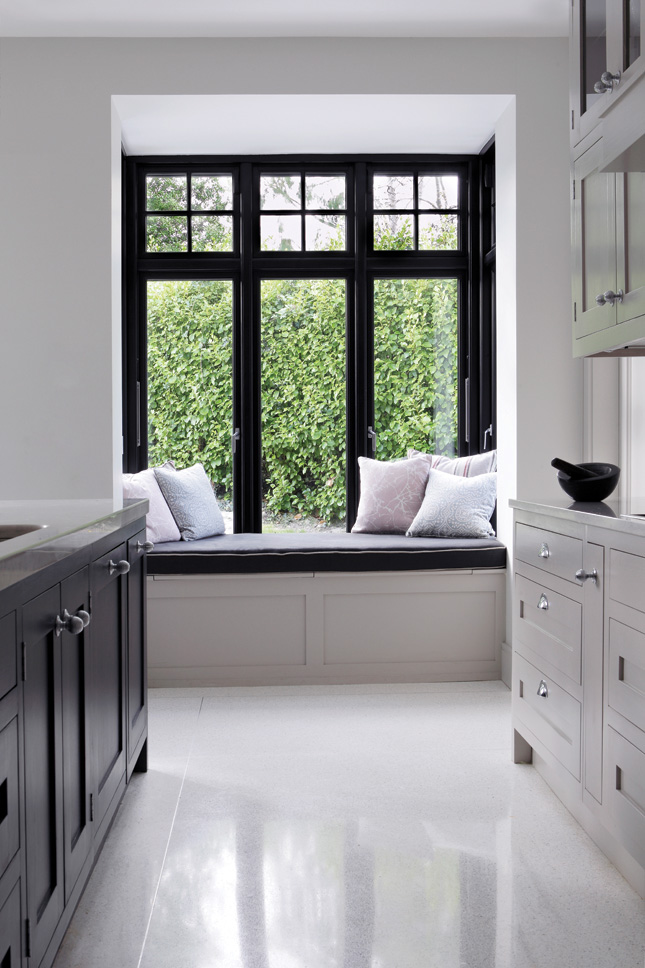
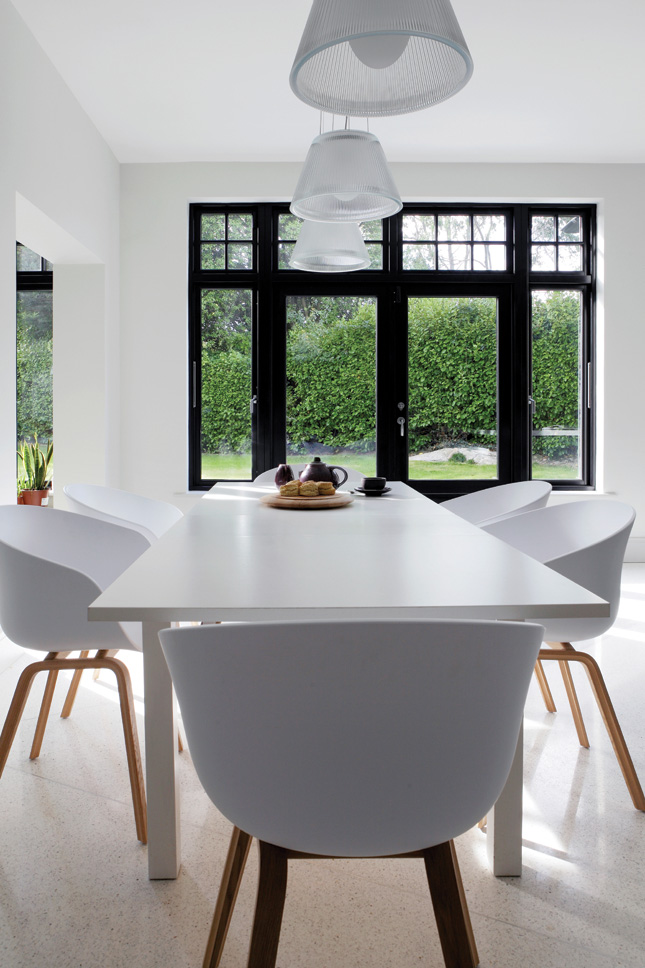
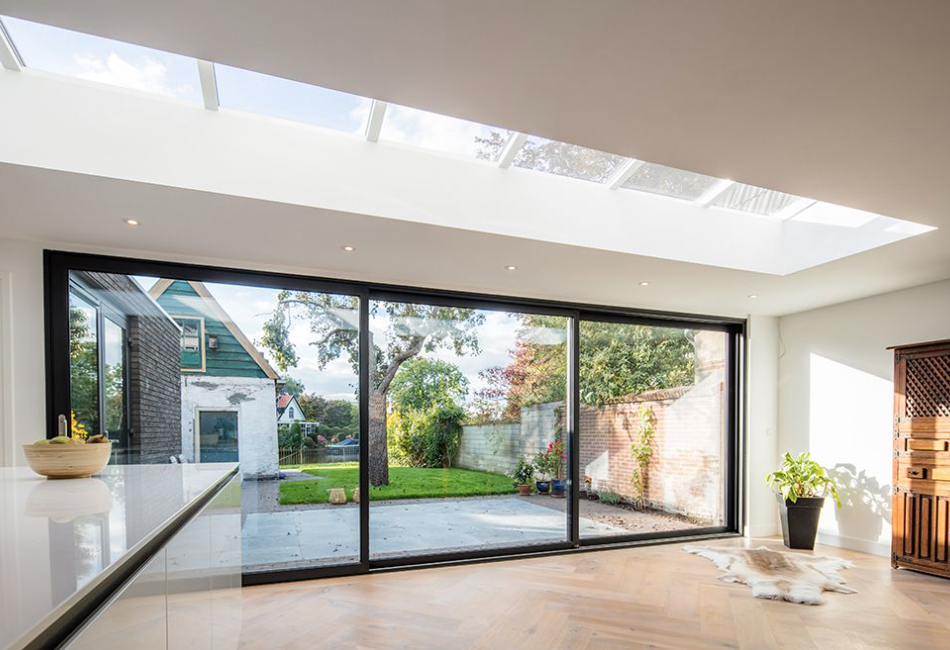
High-efficiency double glazing (often sold as HR++ glass) is the standard choice for new uPVC windows. It has two panes with a gap between them, filled with an inert gas such as argon, and a thin coating on one pane that reflects heat back into the room. A common build-up is 4-16-4: two 4 mm panes with a 16 mm gap, though the exact sizes vary by manufacturer.
The result is a warmer room in winter, fewer cold spots near the window and less condensation on the inside of the glass. In summer, coated glass also helps keep some of the sun's heat out.
Double or Triple Glazing?
Triple glazing adds a third pane and a second gap. It insulates better than double glazing, but it's heavier, more expensive and needs frames that can take the extra thickness. Whether it's worth it depends on your climate, how well the rest of your home is insulated and how long you plan to stay. Ask your installer to show you the U-value (lower is better) of each option so you can compare like for like.
Glazing works best as part of the whole house. If walls and floors lose a lot of heat, look at cavity wall insulation as well, and if you're planning underfloor heating, good insulation helps it run efficiently. Don't skip the upstairs windows either: bedrooms lose heat through the glass just like the living room does. Upgrading the whole house gives you a more even temperature and makes the most of your insulation.
Double glazing also cuts outside noise. If you live on a busy road, ask about acoustic glazing, which uses panes of different thicknesses or a special laminated pane to reduce traffic noise further. Ventilation matters too: well-sealed windows need trickle vents or another source of fresh air to prevent damp and condensation. Acoustic trickle vents let air in while blocking some of the sound, and you can close them at night if needed.
Insulation and Privacy
For bathrooms and other private rooms you can choose obscure (frosted or patterned) double glazing. It lets light in and keeps the insulation, but people outside can't see in. It's usually ordered as part of the glazing unit, so there's no need for film afterwards.
uPVC frames with double glazing give you plenty of options: obscure glass, acoustic glass, trickle vents and integrated blinds. Before you ask for quotes, decide which rooms need what and which type of uPVC window frames you want.
When comparing quotes, check the U-value of the glass and the frame, the length and terms of the warranty on both the units and the installation, and whether the installer is registered with the relevant trade or certification body in your area. Ask how old frames will be removed, how gaps will be sealed and whether you need building approval for replacement windows where you live.