
Magnetic Water Softener or a Real Water Softener?
Considering a magnetic water softener? They're cheap and easy to fit, so it's tempting. But it's worth knowing how they differ from a conventional water softener before you buy. Soft water means less limescale in your kettle, shower, boiler and appliances, and less cleaning. The question is whether a magnet actually delivers that.
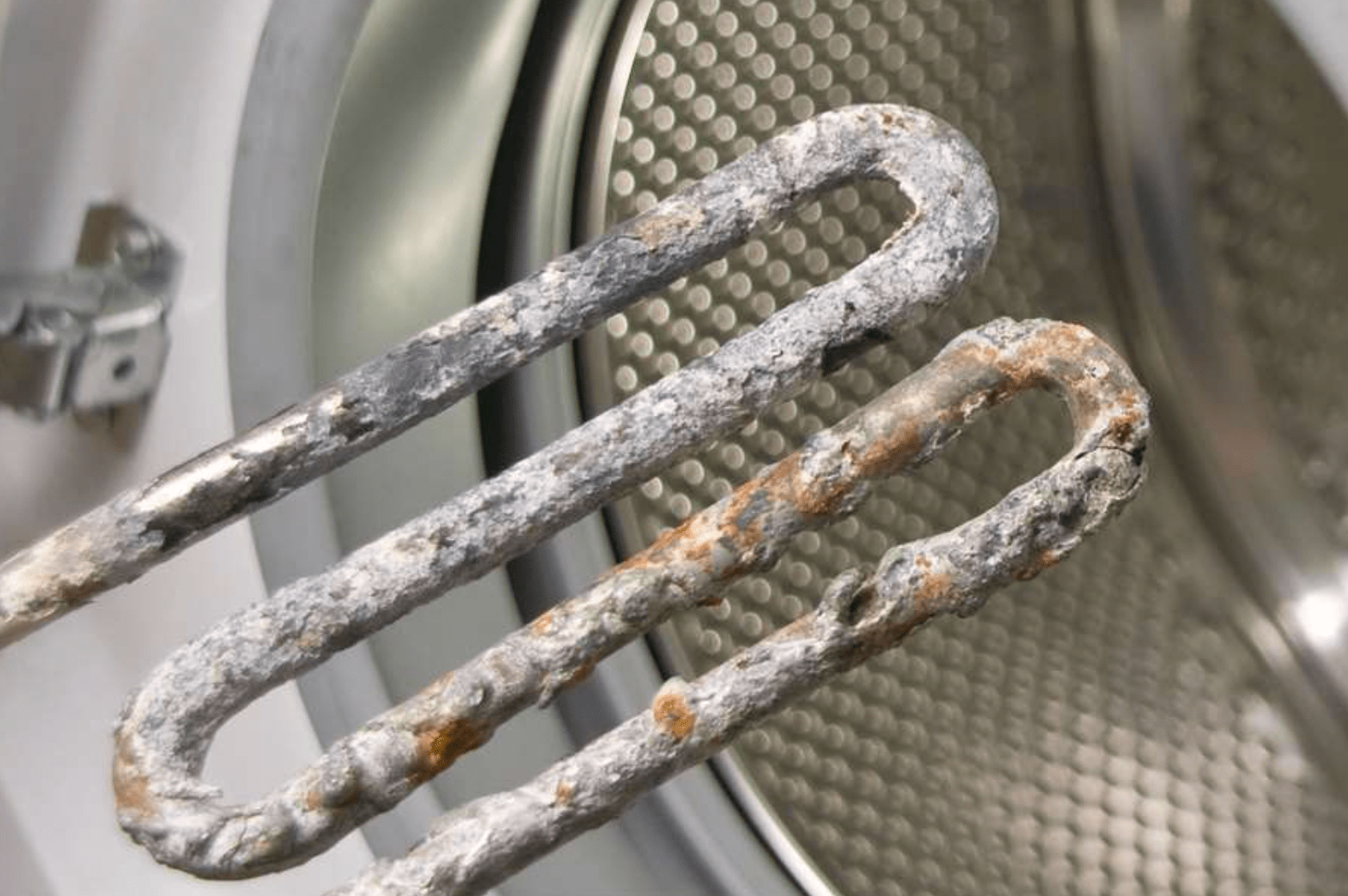
We're often asked if a magnet works as well as a salt-based softener. The short answer: the evidence for magnets is weak, and results in practice are mixed at best. A cheaper device that doesn't solve the problem isn't a saving. And what about descaling your water pipes? Read more about it here
How does a magnetic water softener work?
A magnetic or electronic "conditioner" is clamped around the pipe and is claimed to change how limescale particles behave, so they stick less to surfaces. It doesn't remove anything: the water still contains the same calcium and magnesium. Independent evidence that these devices reliably reduce limescale is limited, and any effect is said to apply mainly to flowing water, not water standing in pipes or heated in a kettle. If you want the full benefits of soft water, a salt-based water softener is the proven option.
What are the alternatives?
If a magnet isn't the answer, what are your options?
First, a water softener is not the same as a water filter. A softener swaps the calcium and magnesium in your water for sodium using resin and salt, which stops limescale. A filter removes certain substances to improve taste or quality, and many filters don't soften the water at all. Where tap water is already good quality, a filter is often unnecessary.
Softeners themselves come in two main types. A time-controlled softener regenerates on a fixed schedule you set. A meter-controlled (volume-based) softener regenerates based on how much water you've actually used, so it usually uses less salt and water. Most households should keep a tap with unsoftened water for drinking and cooking; ask your installer about this.
Which is the best choice for you?
If you want reliable protection against limescale, a conventional water softener is the safer bet. Before buying, find out how hard your water is (your water supplier can tell you), ask installers how much salt the unit uses, how often it needs servicing and what the warranty covers.
Still curious about a magnet, or want to compare quotes for a water softener with a free consultation? Submit a request. It only takes a couple of minutes, and you'll get quotes from installers in your area through Fixmycrib.
Get up to 4 free quotes from vetted local pros
Post your job for free. No obligation to hire.