
Floor and Wall Tiling for Bathrooms and Kitchens
Planning floor and wall tiling in your bathroom or kitchen? Tiles need to sit flat, straight and well sealed, or you'll be looking at crooked lines and failing grout for years. This page covers what tiling costs, how a tiler works and which tiles suit which room.
Tiling costs
The price depends on the tiles you choose and how much preparation the job needs. Costs vary by region and job, but the total per square metre comes down to three things:
- Labour: the tiler's hourly rate or price per square metre, which varies by region and by how complex the job is.
- Tiles: often the biggest variable, ranging from budget ceramic tiles to premium natural stone.
- Materials: adhesive, grout, sealant and any waterproofing or levelling needed.
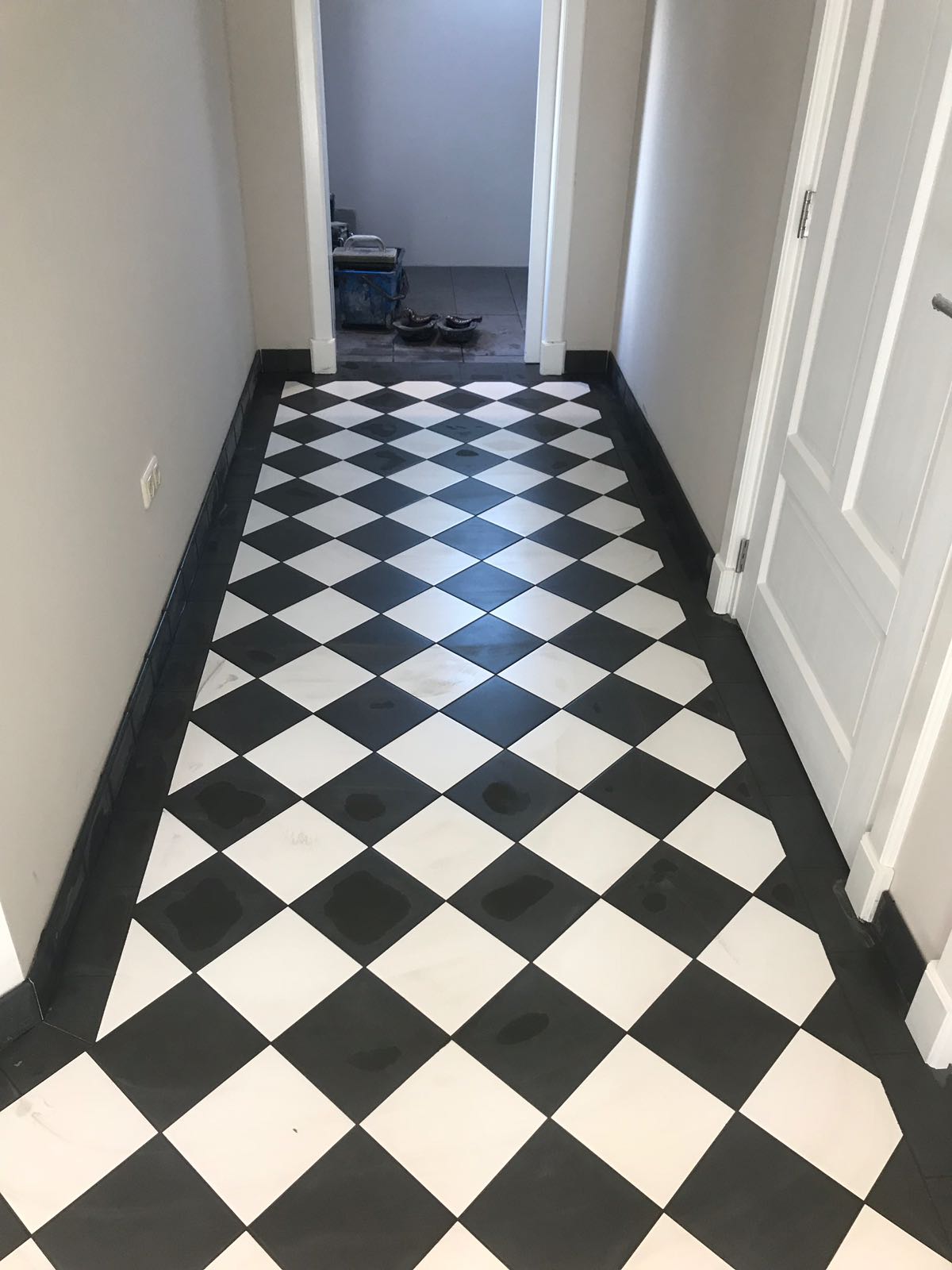
Removing old tiles, preparing the surface and intricate laying patterns can add to the price.
Types of tiling
The two most commonly used types of tile are ceramic tiles and natural stone. Both are available in different sizes, thicknesses and colours. A ceramic tile is made by firing clay, and a glaze layer determines the tile's colour and pattern. Natural stone is formed by nature; unlike ceramic tiles, no two natural stones are the same.
Request tiling quotes:
| Advantages | Disadvantages | |
|---|---|---|
| Ceramic tiles | Low maintenance Highly resistant to chemical products Scratch, stain and impact resistant |
Scratches are quickly noticeable Ceramic tiles feel cold |
| Natural stone | Unique character, every stone is different Damage is less noticeable |
Possible imperfections Sensitive to chemical products |
Laying ceramic tiles
For floor tiles in a kitchen or living room, porcelain tiles are the usual choice. They're denser and harder than standard ceramic. Wall tiles don't need to be as strong, so faience tiles are a good choice: these are glazed earthenware tiles. In wet areas such as showers, the wall or floor behind the tiles needs a waterproofing membrane, as grout alone isn't watertight. On floors, especially in bathrooms, choose tiles with an anti-slip rating.
What are the advantages of ceramic tiles?
Ceramic tiles need very little maintenance. Glazed tiles resist chemicals, scratches, stains and knocks well.
Disadvantages of ceramic tiles
A scratch on a ceramic tile is very visible; with deep scratches the base layer shows through. In addition, ceramic tiles can feel very cold compared with laminate and wooden floors.
Maintaining ceramic tiles
As mentioned, ceramic tiles need little maintenance. When cleaning them, use a pH-neutral cleaner without acids or oil. Oil can leave a film on your tiles that is hard to remove.
Laying natural stone tiles
Natural stone can give your home a unique character. If you are laying natural stone in your living room or bedroom, choose polished stone, which wears less quickly. In a damp room, have the stone impregnated (sealed), because sealed natural stone is more resistant to moisture and dirt.
What are the advantages of natural stone?
Natural stone is durable, holds heat well and works with underfloor heating. Every stone is different, so small marks and damage are less noticeable.
What are the disadvantages of natural stone?
With natural stone, bear in mind that the stone will have imperfections; after all, it's a natural product. Natural stone is also sensitive to acids and chemical products.
How do I best maintain natural stone?
Natural stone has open pores, so it needs more care. Seal it so dirt and liquids don't soak in, and reseal it every few years as the supplier advises. After sealing, natural stone lasts longer and is easier to clean.
Tilers
A good tiler saves you days of hard work and gets a straight, watertight result. Check whether the tiler charges travel costs and offers a guarantee. Ask which types of stone and laying patterns they specialise in, and agree how the price is calculated: per square metre or per hour? Ask to see photos of recent jobs, check reviews and make sure they're insured. Comparing quotes helps you find good value.
Fixmycrib tip: want to be sure your tiler meets the right quality standards? Choose a tiler who is a member of a recognised trade association or holds a recognised qualification. Ask to see proof rather than taking it on trust.
How a tiler works
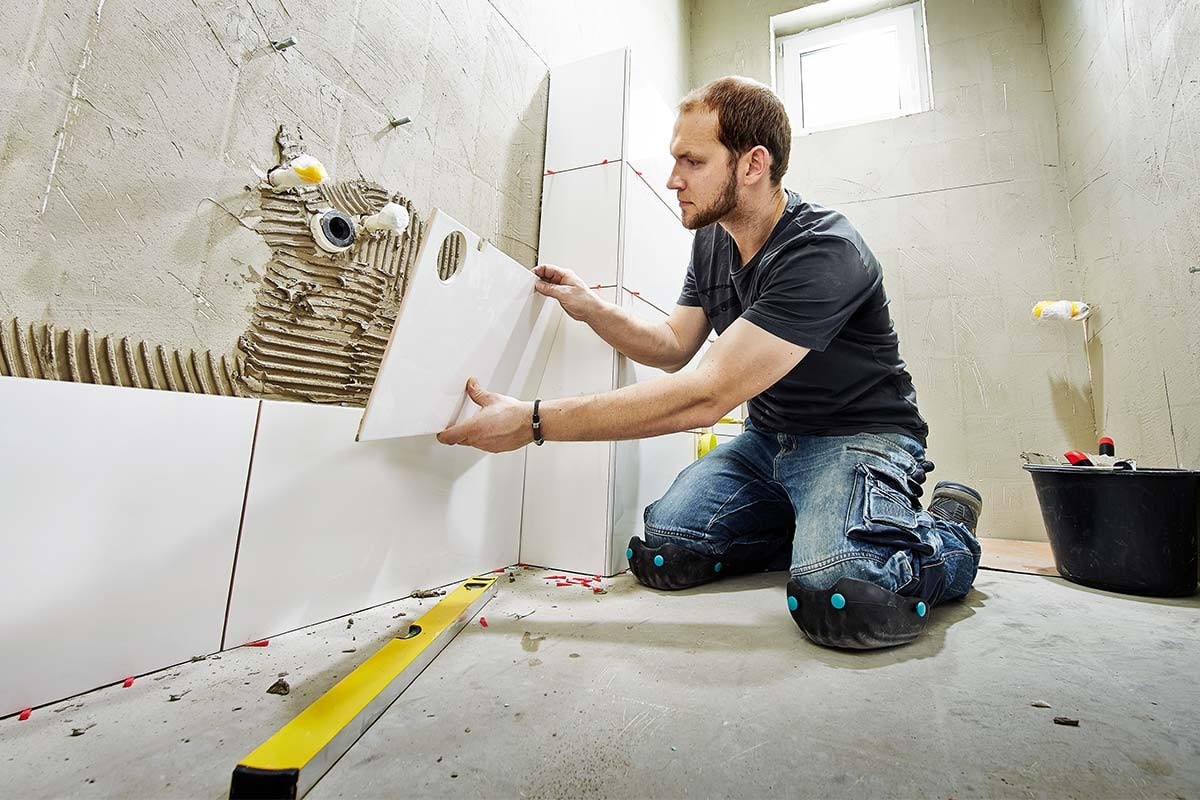
Tiling is specialist work. A small toilet room often takes a day, and an average bathroom usually takes several days including drying time, so plan for a few days without a shower. A professional tiler first makes sure the surface is dry and grease-free so the adhesive bonds well. Once you've chosen your laying pattern, the specialist will start tiling. Once the adhesive has set, the tiler grouts the joints and finishes corners and edges with flexible sealant to keep moisture out.
Tiling yourself
Tiling looks easier than it is. Video tutorials get you some of the way, but uneven walls, waterproofing and cutting around pipes catch many people out, and mistakes are costly to undo. If the job involves a shower or wet room, a specialist is usually the safer choice.
Tile inspiration
You come across tiles everywhere in the home, from tiny mosaic tiles to tiles a metre square. High-gloss or matt? Go for matt tiles if you want to keep it simple, and choose glossy tiles for a luxurious look.
Kitchen tiling
Tiles do a lot for the look of a kitchen. Large, plain tiles give a modern look, while small designer tiles create an authentic kitchen. Tiles in the kitchen have the added advantage that the splashback is quick to clean: dirt and grease can be wiped off straight away with a damp cloth. Floor tiles in the kitchen are practical too, as anything you drop is quickly cleaned up.
Bathroom tiling
Tiles suit bathrooms because they're easy to clean and, laid over proper waterproofing, keep moisture out of the walls. Bathroom tiles also create a calm look. Want your bathroom to look more spacious? Choose large bathroom tiles. Combine different sizes, colours and tile patterns for a unique bathroom.
Moroccan tiles
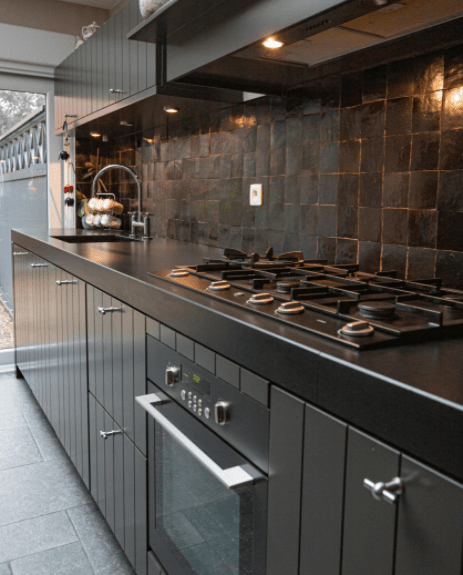
Moroccan tiles create a unique atmosphere. Every tile is handmade and slightly different, and that imperfection is characteristic of Moroccan tiles. They are suitable for any room, indoors and outdoors, and are ideal for creating a lived-in look.
Portuguese tiles
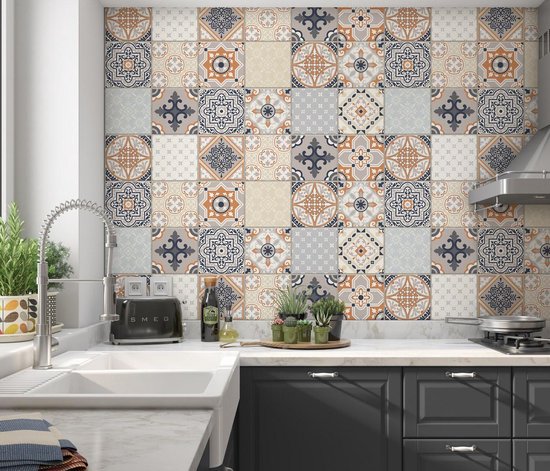
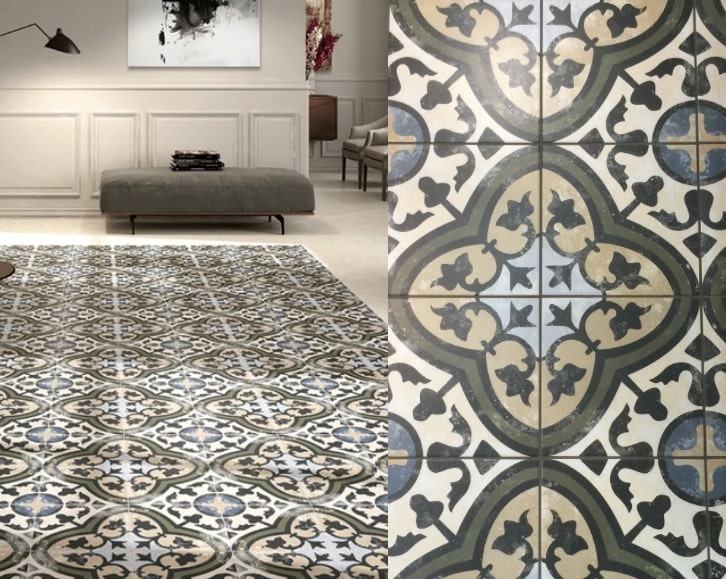
Portuguese tiles are known for their authentic patterns. These small tiles, which together form a large, detailed pattern, are often used in hallways. Of course, Portuguese tiles can also be used as kitchen and bathroom tiles, and they are even suitable for cladding your stairs.
Tips for finding your tiler
Professional tiling: well-laid tiles last a long time. Tight joints and good sealing keep moisture out of the wall, and clean grout keeps them looking good.
Grout colour: give the grout the same colour as the tiles for a calm, sleek look.
Large tiles: smaller rooms can look bigger with large tiles. Let the floor tiles continue up the wall, and choose light-coloured tiles for a spacious effect.
Underfloor heating: tiles conduct heat well, so they're a good match. Check that the tile adhesive and grout are suitable for heated floors.
Tilers: request several quotes from tilers. As well as the price, compare the cost of removing old tiles, travel costs, certifications and lead times.
Request tiling quotes:
Tiling – areas we cover
Get up to 4 free quotes from vetted local pros
Post your job for free. No obligation to hire.